Natural Red Diamonds: The Rarest Diamonds in the World
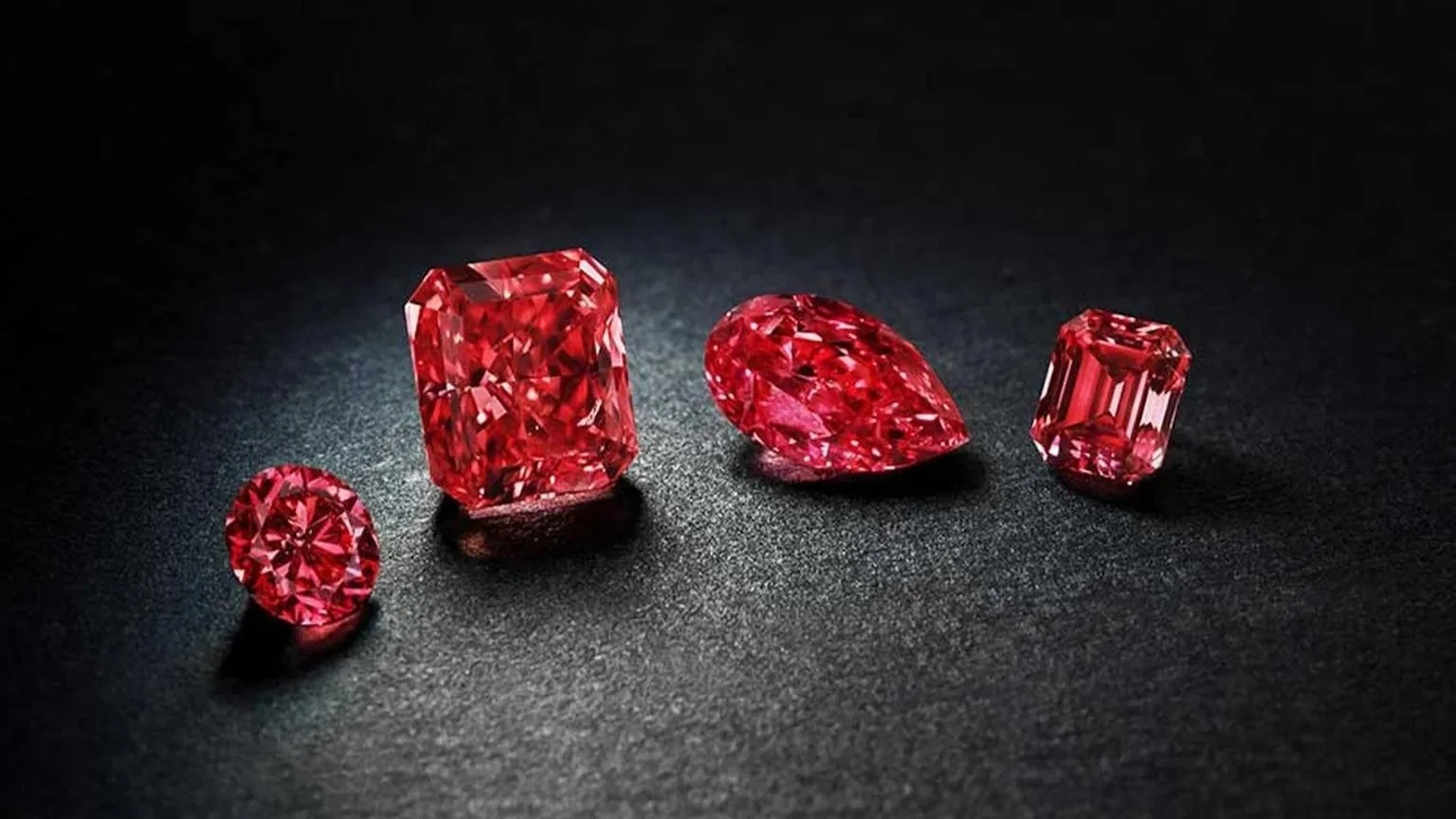
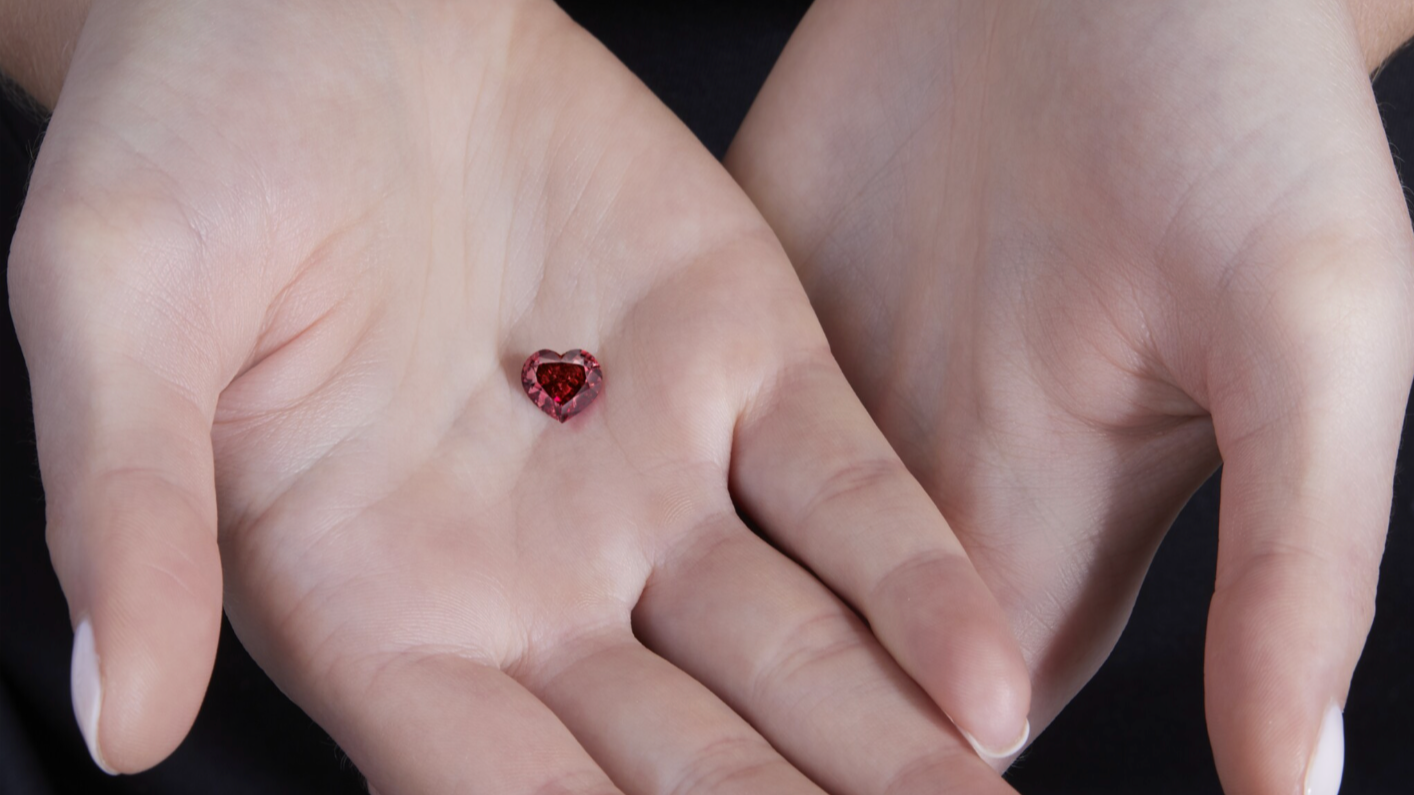
Among all natural diamonds, natural red diamonds are widely considered the rarest diamonds ever discovered. Their extreme scarcity, unusual geological origin and intense colour make them one of the most coveted gemstones in the world of high jewellery and serious gemstone collecting. While colourless diamonds dominate the traditional jewellery market, red diamonds exist in such small quantities that only a handful appear on the market each year. Many jewellers, collectors and investors will never see a natural red diamond in person.
Unlike most coloured diamonds, whose colours are caused by trace elements such as nitrogen or boron, the red colour in natural red diamonds is believed to come from distortions in the diamond crystal lattice during formation. These distortions alter the way light travels through the stone, producing the extraordinary red hue. Because of this unique formation process, natural red diamonds are both scientifically fascinating and commercially extraordinary.
Where Do Red Diamonds Come From
Historically, the most important source of red diamonds was the Argyle mine in Western Australia, operated for decades by Rio Tinto. The Argyle mine produced the vast majority of the world’s known red and pink diamonds. However, the Argyle mine closed in 2020, making natural red diamonds even rarer today. The closure has had a significant impact on the red diamond market, reinforcing their status as one of the most collectible gemstones in existence.
Occasionally small red diamonds have been discovered in Brazil, Russia and Africa, but these discoveries are extremely uncommon. Most natural red diamonds that appear at auction today trace their origin to Argyle.

Famous Red Diamonds That Defined the Market
One of the most famous examples is the Moussaieff Red Diamond, a 5.11 carat Fancy Red diamond widely regarded as the most important red diamond ever discovered. Originally found as a 13.9 carat rough diamond in Brazil in the 1990s, the stone was later cut into a triangular brilliant and eventually purchased by the Moussaieff jewellery house.
Another remarkable example is the Hancock Red Diamond, a 0.95 carat Fancy Purplish Red diamond that was sold at Christie’s in 1987. The stone achieved an extraordinary price per carat at the time and became one of the first red diamonds to demonstrate the enormous market value of these rare stones.
Despite weighing less than one carat, the Hancock Red set a benchmark that changed the perception of coloured diamonds in the auction world.
Red Diamond Prices and Market Value
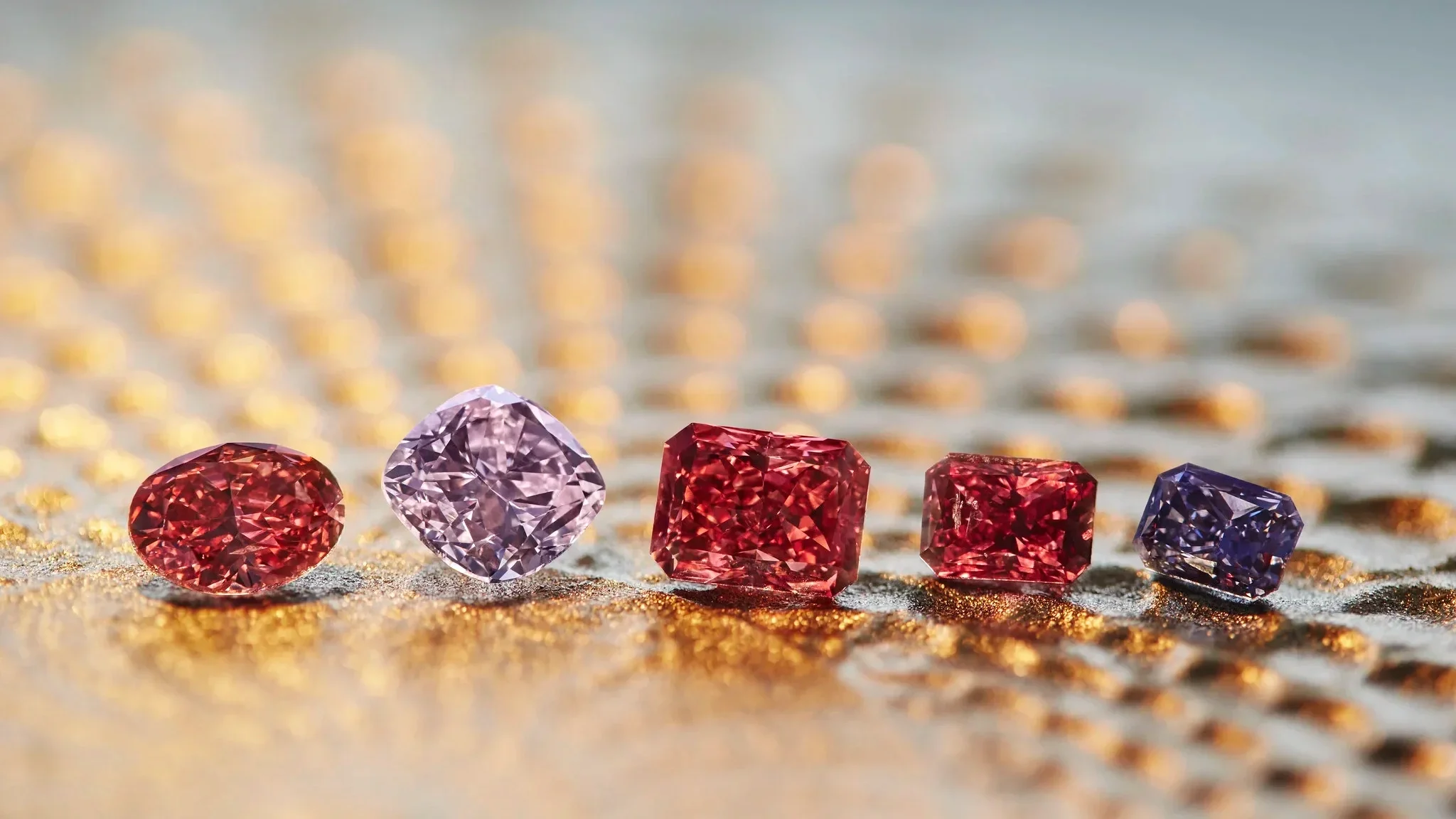
The price of red diamonds is among the highest of any gemstone in the world. Because so few stones exist, the market is defined by rarity rather than traditional pricing structures. Even small natural red diamonds can command prices exceeding one million dollars per carat, particularly for stones graded Fancy Red by the Gemological Institute of America (GIA).
Several factors influence red diamond value:
intensity of colour
carat weight
clarity
provenance and certification
historical significance
However, in the case of red diamonds, colour saturation is the most critical factor. The GIA colour grading scale for red diamonds is extremely limited, and stones graded simply as “Fancy Red” are considered the most pure and valuable.
Red Diamonds at Auction
Auction houses such as Sotheby’s and Christie’s occasionally offer red diamonds, but these appearances are rare events that attract international attention. When a natural red diamond enters the market, it is often treated as a major event within the high jewellery world because so few examples exist.
Over the past decades, several natural red diamonds have achieved extraordinary results at auction, often setting remarkable prices per carat that far exceed most other coloured diamonds. The famous Hancock Red Diamond, a 0.95 carat Fancy Purplish Red diamond, sold at Christie’s in 1987 for around $880,000, which at the time equated to approximately $926,000 per carat. This result fundamentally changed the perception of coloured diamonds in the market and demonstrated the immense value collectors place on red diamonds. More recently, red diamonds appearing at auction have frequently achieved well above $1 million per carat, depending on colour intensity, provenance and overall quality. Stones with the coveted Fancy Red grade from the Gemological Institute of America (GIA) are particularly prized because they represent the purest and most saturated red colour. Collectors and investors increasingly view natural red diamonds as trophy assets, comparable to the most exceptional Fancy Vivid Pink or Fancy Vivid Blue diamonds. In the rare instances when red diamonds larger than one carat appear on the market, prices can escalate rapidly due to intense competition among buyers.
The closure of the Argyle mine in 2020 has only reinforced this trend. With virtually no new supply entering the market, existing red diamonds are becoming increasingly important pieces within private collections, museums and high jewellery houses. As a result, the few natural red diamonds that appear at auction today are often expected to command prices exceeding $1 million to $2 million per carat, confirming their position among the rarest and most valuable gemstones in the world.
Red Diamonds in High Jewellery
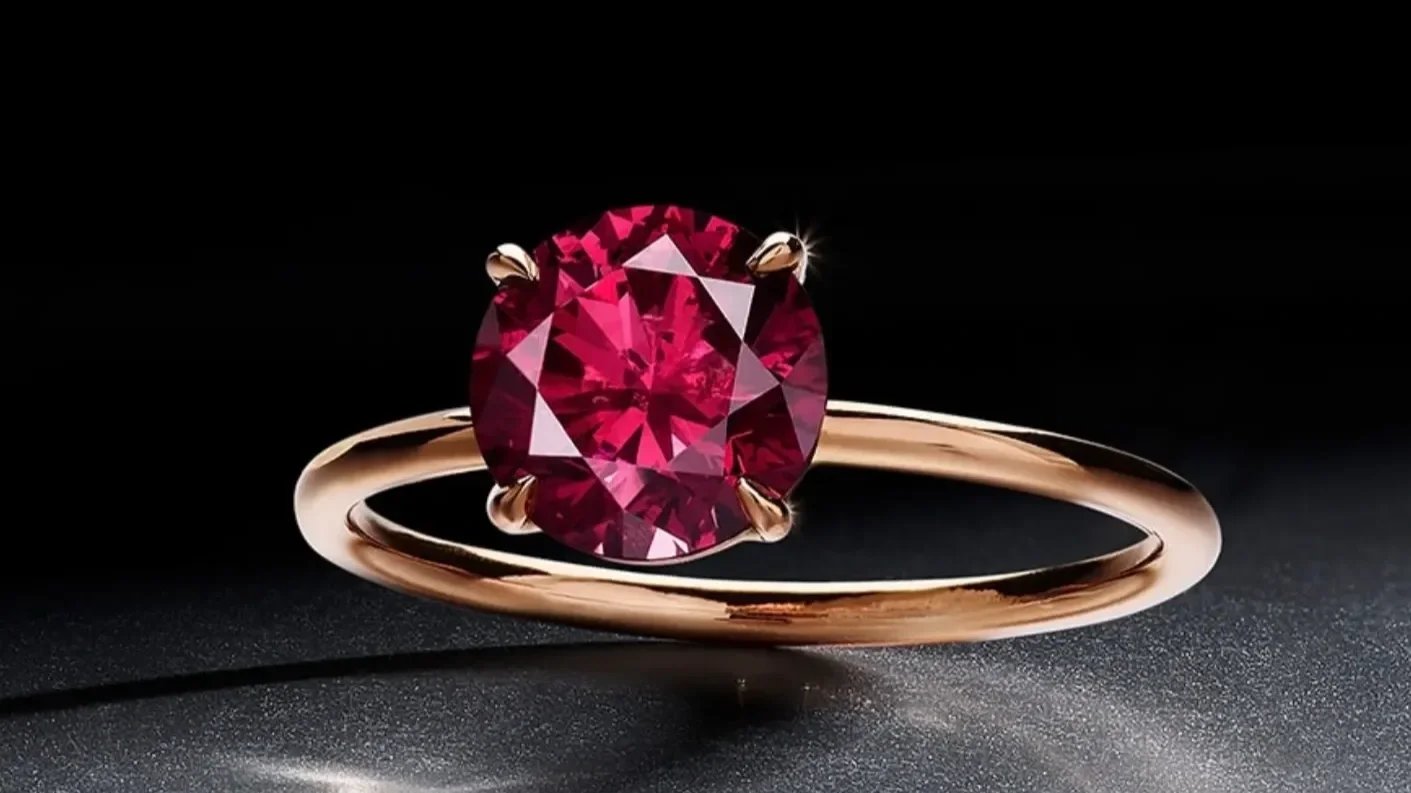
For high jewellery designers, red diamonds represent an extraordinary opportunity to create unique pieces. Because most red diamonds are extremely small, they are often mounted as the centrepiece of bespoke jewellery designs. A natural red diamond ring, pendant or high jewellery creation is not only a statement of beauty but also a symbol of rarity and exclusivity.
Collectors who commission bespoke jewellery with rare gemstones often seek stones with strong character, provenance and investment potential. Natural red diamonds perfectly embody these qualities.
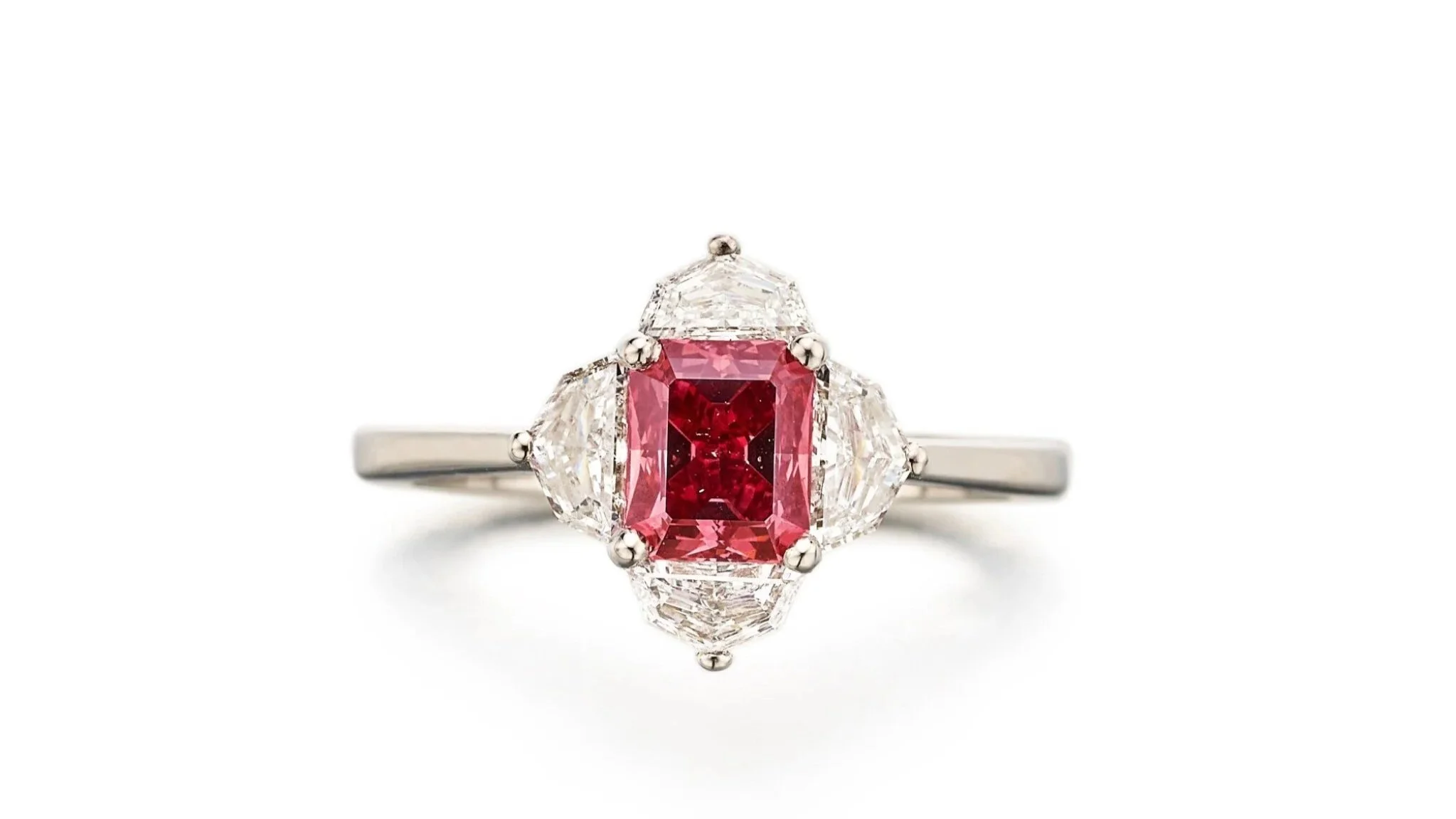
Red Diamonds as Collectible Assets
In the world of rare gemstones, red diamonds occupy a category of their own. Their geological rarity, historical significance and extremely limited supply make them one of the most desirable stones for collectors. Unlike many commercial diamonds, red diamonds are not widely traded in the wholesale market. Most are held in private collections, museums or important jewellery houses.
For collectors who appreciate rarity above all else, natural red diamonds represent the ultimate expression of scarcity in the diamond world.
The Future of Red Diamonds
With the closure of the Argyle mine and the absence of major new discoveries, the supply of natural red diamonds is expected to remain extremely limited. As global wealth continues to grow and collectors search for assets that combine beauty, rarity and portability, red diamonds will likely remain among the most sought after gemstones in the world.
For jewellers, investors and connoisseurs alike, the fascination with natural red diamonds shows no sign of fading.
Images Credits: Sothebys, Rio Tinto, Natural Diamond Council.