Blue Treasure: Lucara's 36.92 Carat Discovery
In a market increasingly defined by contrasts, moments of genuine rarity still have the power to shift sentiment. Lucara Diamond Corp has just delivered one of those moments. The company announced the recovery of a 36.92 carat Type IIb blue diamond from its Karowe mine in Botswana, a discovery that captures attention not only for its size, but for what it represents within a broader industry context.
A Blue Diamond from the Unexpected
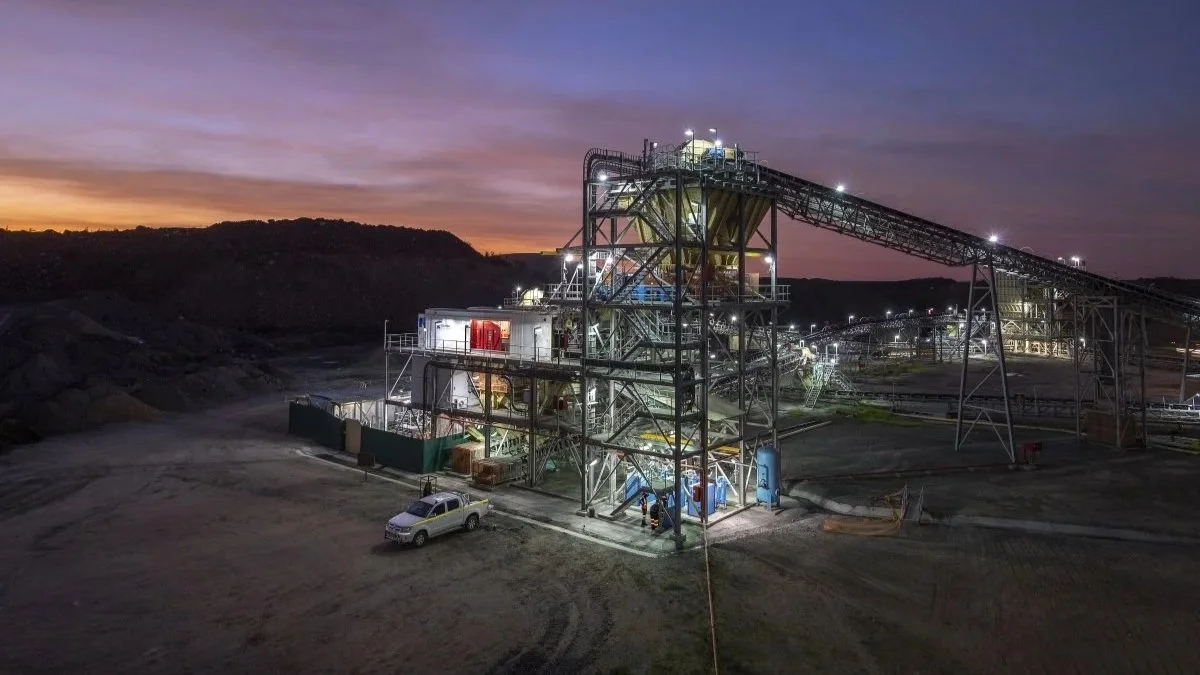
What makes this recovery particularly compelling is not the stone alone, but where it came from. The diamond was extracted from stockpile material using X-ray transmission technology — a category of resource typically associated with residual value rather than exceptional finds.
From a gemologist's perspective, this is significant. Stockpiles represent material already processed or set aside, often considered lower-grade and less promising. Yet nature, as it consistently demonstrates, does not follow operational assumptions. Even within material long deemed secondary, extraordinary stones can remain hidden, waiting.
Type IIb diamonds — characterised by their boron content — rank among the rarest in existence. Their blue colour is not merely visual: it is scientifically distinct, often paired with exceptional transparency and a provenance that places these stones in the same conversation as some of the most celebrated diamonds ever brought to auction.
Technology as a Competitive Advantage
This recovery also reinforces the growing strategic importance of XRT technology in modern diamond mining. Unlike conventional methods, X-ray transmission identifies large and valuable stones before they are crushed, preserving their integrity and maximising their potential value at every stage of the pipeline. Karowe has long built its reputation on exceptional recoveries — including diamonds exceeding 1,000 carats. The emergence of a rare blue diamond from stockpile material further validates both the depth of the deposit and the precision of the technology deployed to process it.
More Than a Single Discovery
Lucara simultaneously confirmed that five diamonds exceeding 100 carats have been recovered year to date from the same stockpile processing programme. This is not coincidental. It signals that lower-grade material, when approached with the right technology and strategic patience, can generate meaningful and sustained value. For investors and industry observers, these recoveries represent a supportive data point for near-term cash flow — particularly as Lucara prepares for higher-grade underground production in the coming years.
It also reinforces a broader truth about the diamond market. While commercial categories continue to face pricing pressure, exceptional stones consistently stand apart — commanding attention, scarcity premiums and long-term confidence from buyers at the highest level.
The Question of Value
Assigning a precise value to a rough blue diamond of this nature is inherently complex. Final yield, clarity, colour saturation and cutting potential will ultimately define what this stone is worth on the open market. History, however, offers clear guidance. Even relatively small polished blue diamonds have achieved extraordinary prices per carat at the major auction houses. Should this stone yield one or more high-quality polished gems, significant interest from collectors, private buyers and institutional investors seems not only likely but inevitable.
A Broader Signal for the Industry
Beyond the immediate excitement, this recovery carries a quieter but more enduring message. It highlights the untapped potential that still exists within known resources — and the critical role of innovation in unlocking it.
At a moment when the diamond industry is navigating structural change, stories like this refocus attention on what has always defined the market at its highest level: rarity, unpredictability, and the enduring allure of stones that exist nowhere else on earth.
Image Credits: Lucara Diamond Corp.