A Market Divided: Ordinary Stones vs Extraordinary Gems
The diamond and gemstone market is living through a deeply paradoxical moment. On one side, colourless diamonds continue to face pressure, with prices weakened by cautious buying, oversupply in certain categories and a broader change in consumer perception. On the other, top quality coloured diamonds and exceptional coloured gemstones continue to command attention, confidence and, in many cases, remarkable resilience. It is a market split in two, and for jewellers, collectors and investors alike, that divide could not be more revealing.
From a jeweller’s perspective, this contrast is not as surprising as it may first appear. Commercial markets tend to suffer most when confidence falls. Stones that are widely available, easily compared and heavily exposed to price competition are almost always the first to weaken. That is exactly what has happened in the colourless diamond segment, especially in smaller goods and in categories where price sensitivity is high. Market reports over the past year have shown continued declines in many colourless diamond segments, with one carat round stones in common commercial grades experiencing particularly notable pressure.
The top end of the market behaves differently. Truly rare gems do not trade like standardised commodities. They trade like scarcity. A vivid blue diamond, an unheated Burmese ruby, a Kashmir sapphire, or a richly saturated Colombian emerald is not simply a stone with a price tag. It is a finite object with provenance, beauty and an increasingly global collector base. Even when the wider luxury landscape becomes more uncertain, the very best material remains protected by what matters most in gemmology: rarity that cannot be manufactured, repeated or easily replaced.
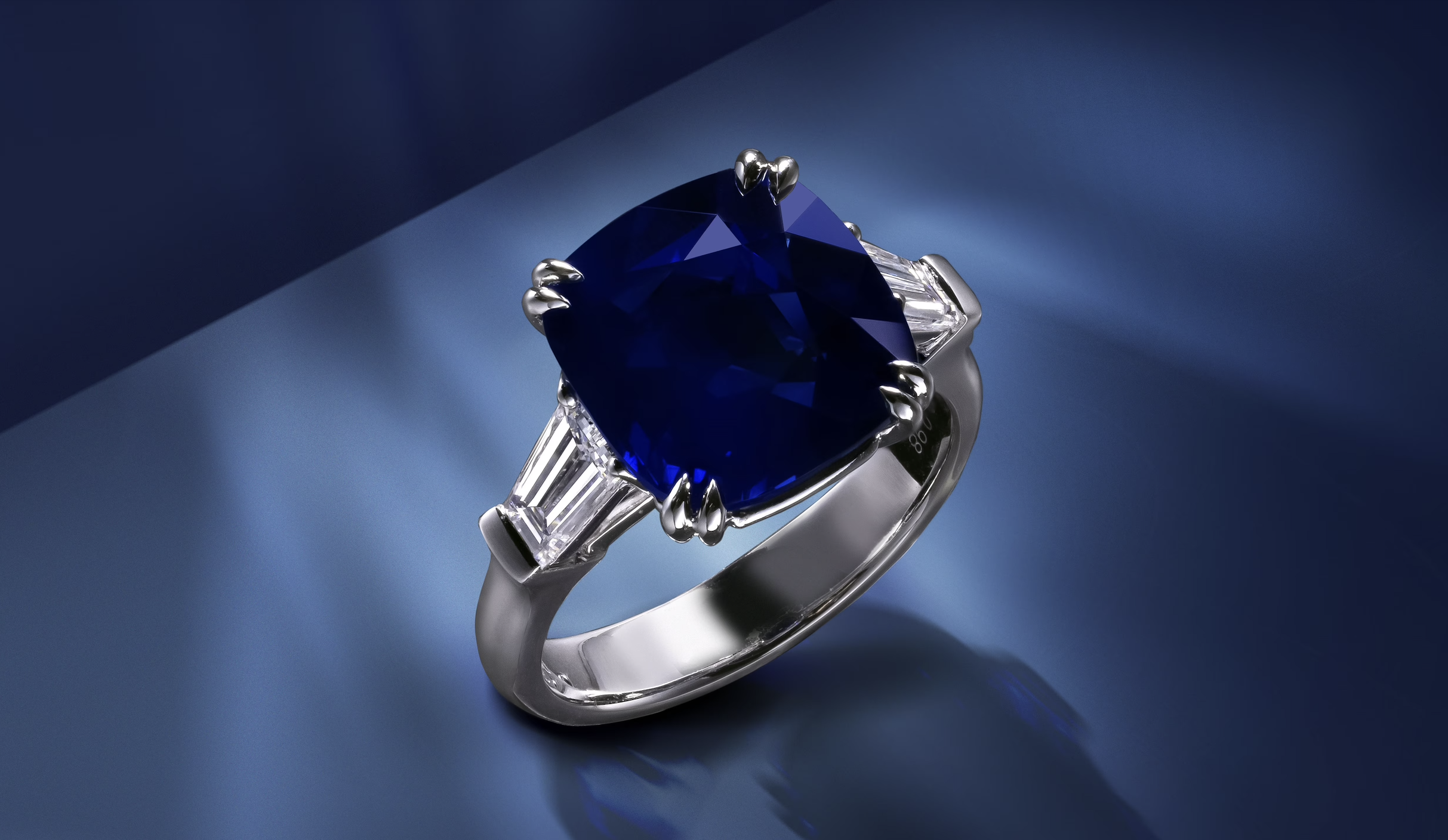
That is why investing in top quality stones has historically made sense, provided the buyer understands quality and buys with discipline. In difficult periods, the strongest gemstones are usually the least damaged. They may not always rise immediately, and no serious jeweller should pretend that every stone is a guaranteed winner, but the highest quality segment tends to preserve desirability far better than the commercial middle. The reason is simple. When buyers become selective, they do not abandon excellence. They abandon compromise.
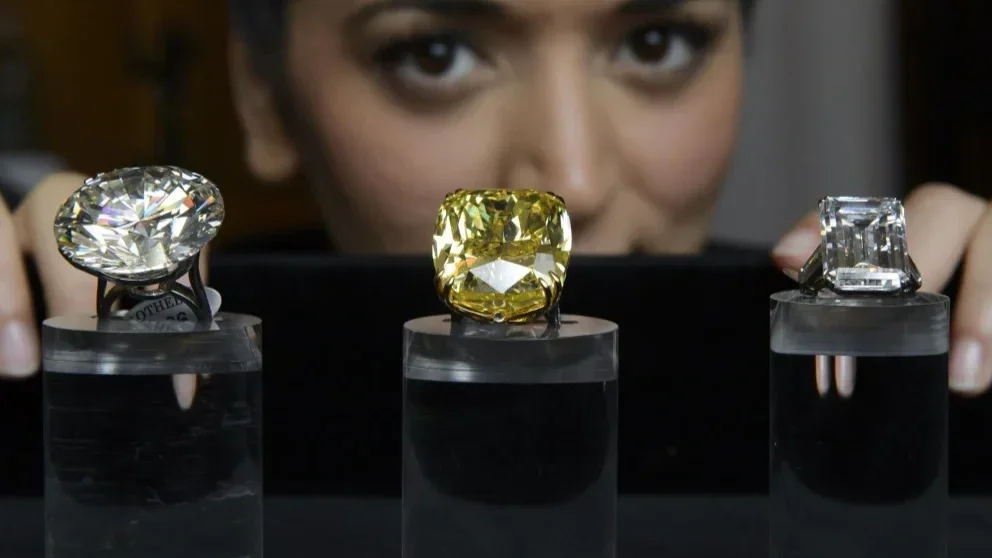
Fancy colour diamonds offer one of the clearest examples of this dynamic. While the broader diamond trade has been under notable strain, prices for fancy colour diamonds have moved only modestly in comparison. Within that stability, certain rare blues, pinks and vivid stones have continued to attract strong collector demand. Over the long term, the performance of rare coloured diamonds demonstrates how exceptional scarcity can maintain desirability even during uncertain market cycles.
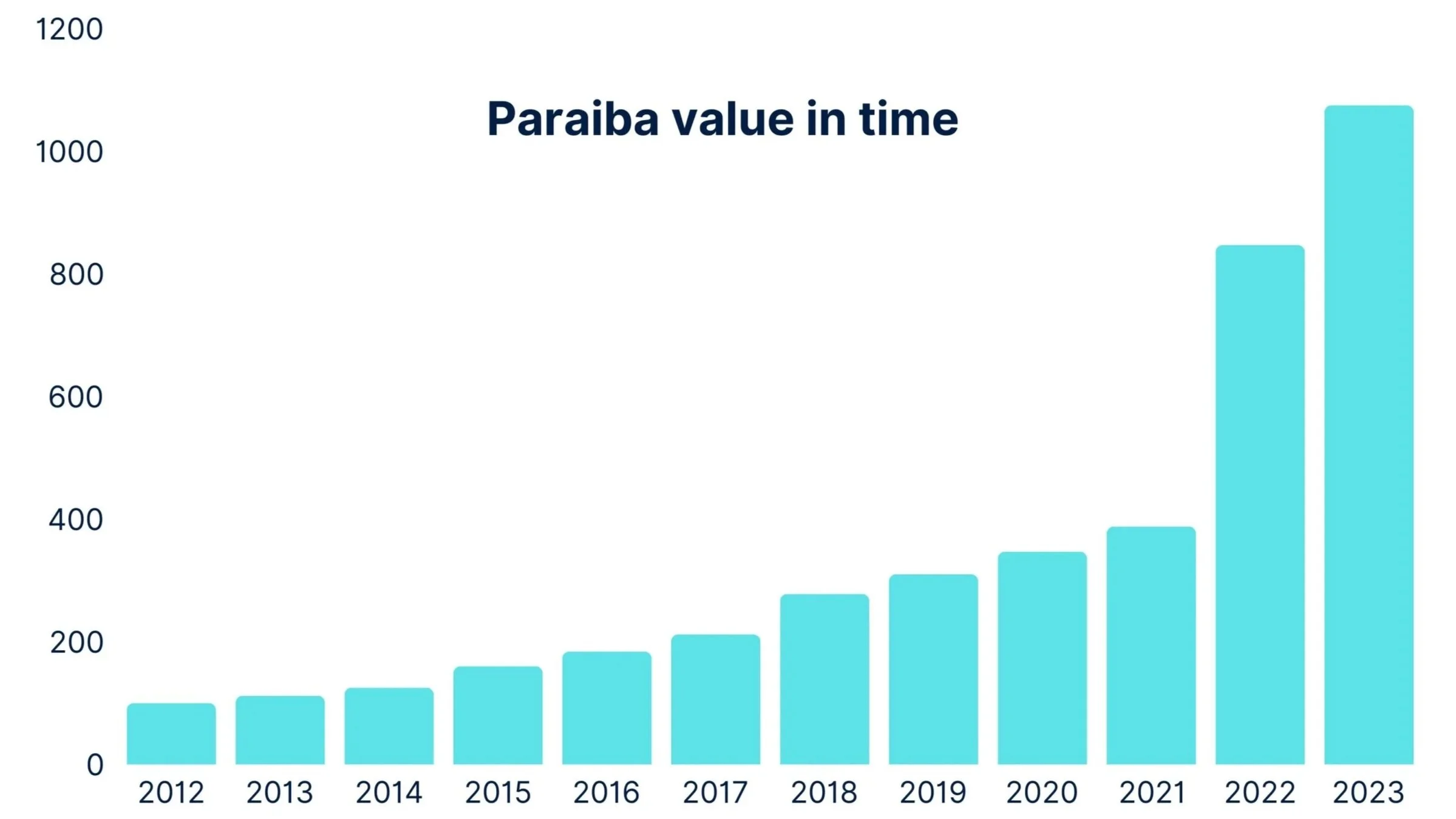
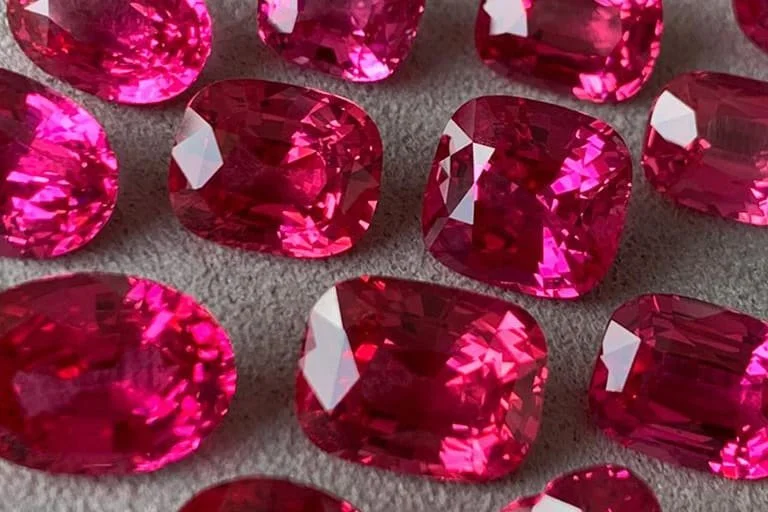
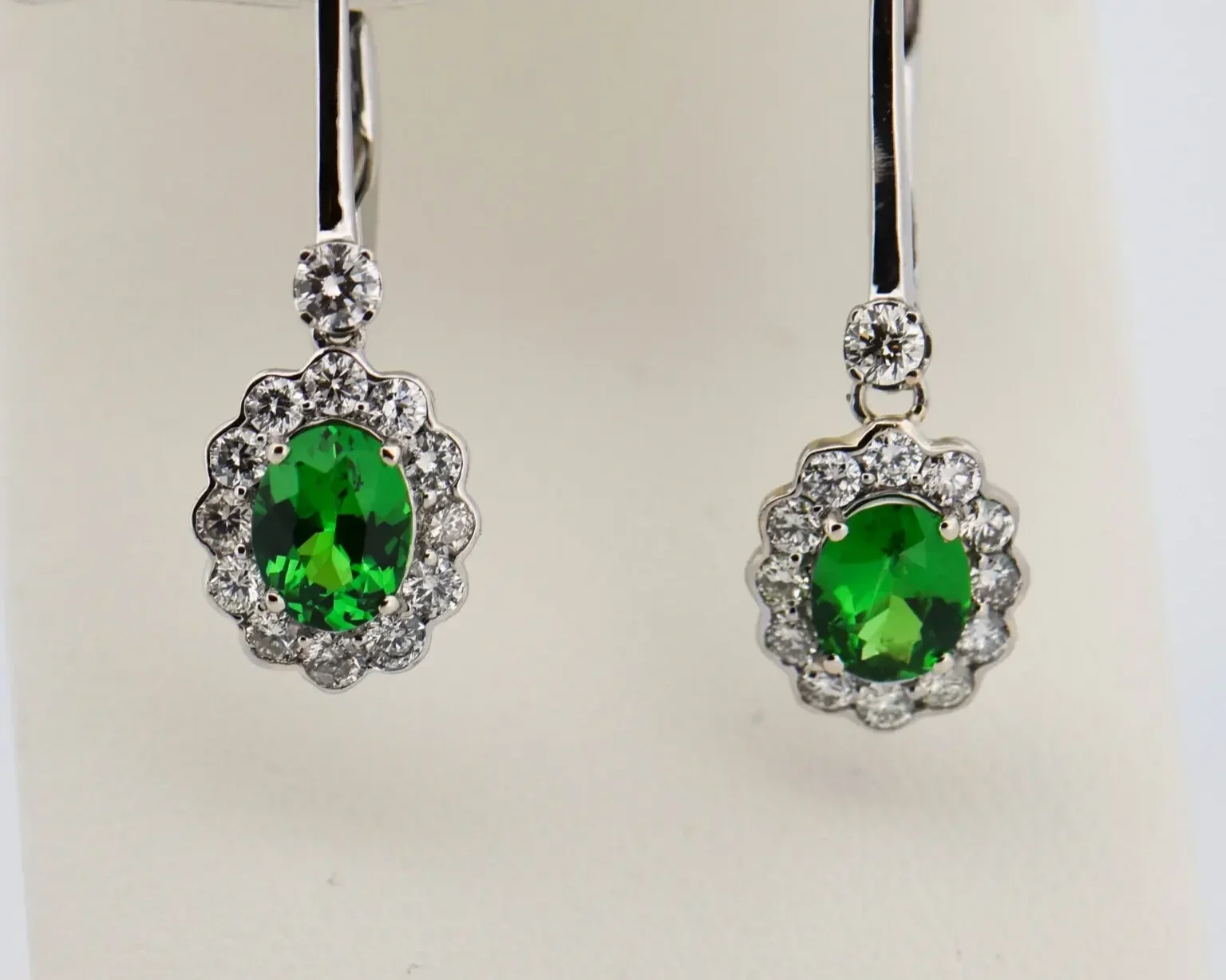
The same logic extends to elite coloured gemstones. The market for top quality emeralds, rubies and sapphires continues to show notable strength even while parts of the jewellery trade report slower overall demand. Exceptional stones with strong colour, fine clarity and reputable origin remain highly sought after by collectors and connoisseurs. At auction level, rare coloured diamonds and precious gemstones continue to attract intense interest, while demand has grown steadily for emeralds, rubies, sapphires and rare stones such as Paraíba tourmalines.
What we are seeing is not simply a weak diamond market and a strong gemstone market. It is a flight to quality. Buyers are becoming more educated, more selective and more emotionally driven by rarity, story and individuality. A top gemstone today answers several desires at once. It offers visual distinction, natural scarcity, collectable status and a level of personal expression that many modern buyers no longer find in commercial white diamonds. In an age where consumers are increasingly aware of substitution, mass availability and short term pricing noise, true rarity carries even greater weight.
This does not mean colourless diamonds have lost their place. They remain central to jewellery, bridal traditions and the language of timeless elegance. However, the market is clearly asking harder questions than before. It is no longer enough for a stone to be white, certified and traditionally desirable. Buyers want either strong value or unquestionable rarity. The middle ground has become more exposed. For that reason, the stones that continue to inspire confidence are not average goods but exceptional ones, whether colourless or coloured. In today’s environment, mediocrity feels expensive, while excellence still feels defensible.
For investors, the lesson is equally clear. The word investment should never be used lightly in jewellery, yet history repeatedly shows that the finest stones are often the most resistant in moments of stress. They are supported not by marketing alone, but by geological rarity, collector appetite and the enduring human attraction to the exceptional. When markets become uncertain, capital does not disappear. It becomes more selective. In the world of gems, selectivity almost always favours the very best.
This is why the current moment feels both incongruous and revealing. Colourless diamonds are under pressure, yet top quality coloured diamonds and elite gemstones continue to demonstrate remarkable resilience. The gap between the ordinary and the extraordinary is widening. For those who understand gemstones properly, that gap is not a contradiction. It is the market reminding us that rarity still matters, and perhaps now more than ever.