How to Choose the Perfect Stone for Your Engagement Ring
Choosing the perfect engagement ring is one of the most meaningful decisions you will ever make. While diamonds remain the traditional choice, modern couples are increasingly exploring alternative engagement ring stones that reflect personal style, values and individuality.
This guide will help you understand how to choose the best stone for an engagement ring by comparing diamonds, coloured gemstones and unique alternatives, while considering durability, symbolism, budget and long-term value.
Understanding the Diamond Standard
When selecting a diamond engagement ring, the starting point is always the 4Cs: carat, cut, colour and clarity. Diamonds are the most popular engagement ring stones for a reason:
Exceptional durability, ranking 10 on the Mohs hardness scale
Timeless brilliance and versatility
Strong resale value and global market demand
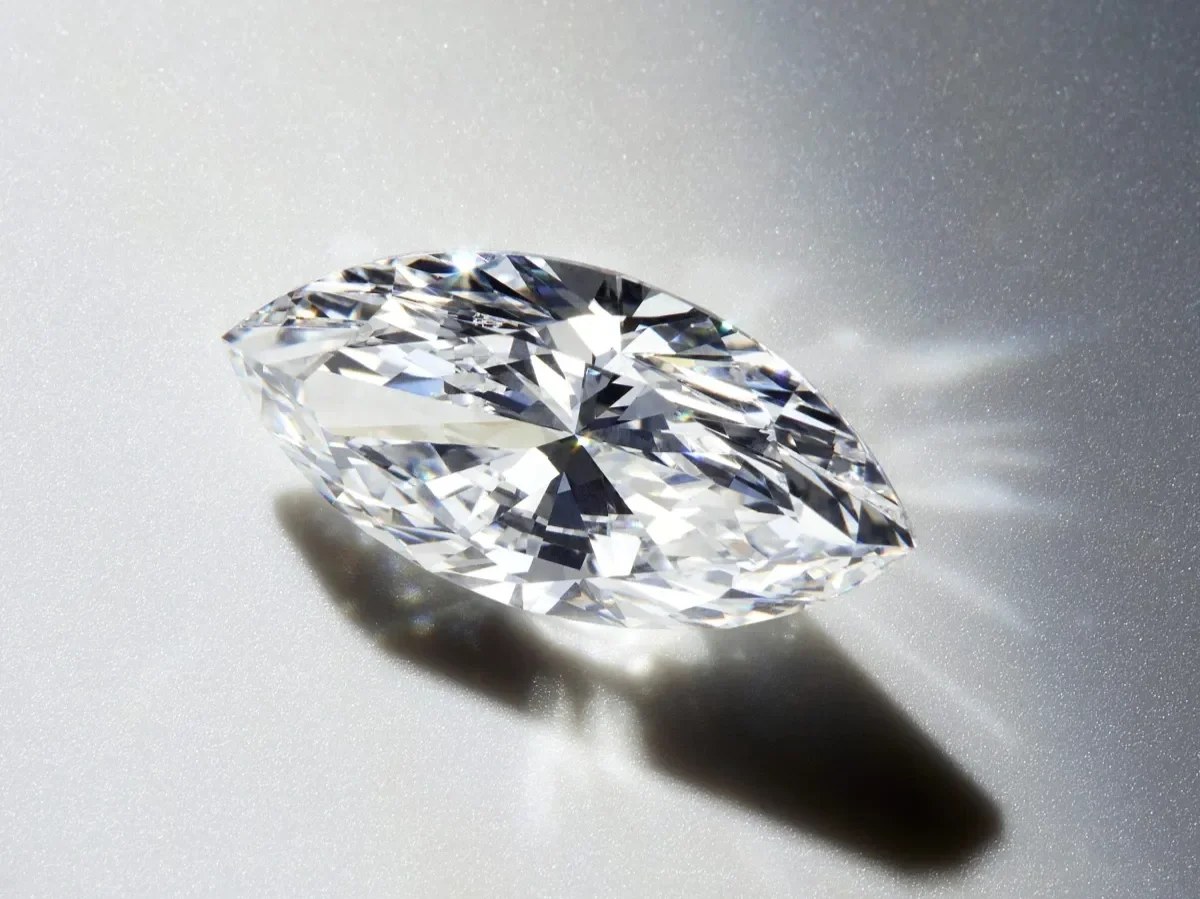
A well-cut diamond maximises light performance, making it appear more brilliant and valuable. For engagement rings worn daily, durability is essential, making diamonds the safest long-term choice. However, today’s clients are increasingly asking: is a diamond the only option?
Sapphire Engagement Rings: Royal and Durable
Sapphires are among the best alternatives to diamonds for engagement rings.
Why choose a sapphire:
Excellent hardness at 9 on the Mohs scale
Available in a wide range of colours, especially blue
Strong historical and royal symbolism
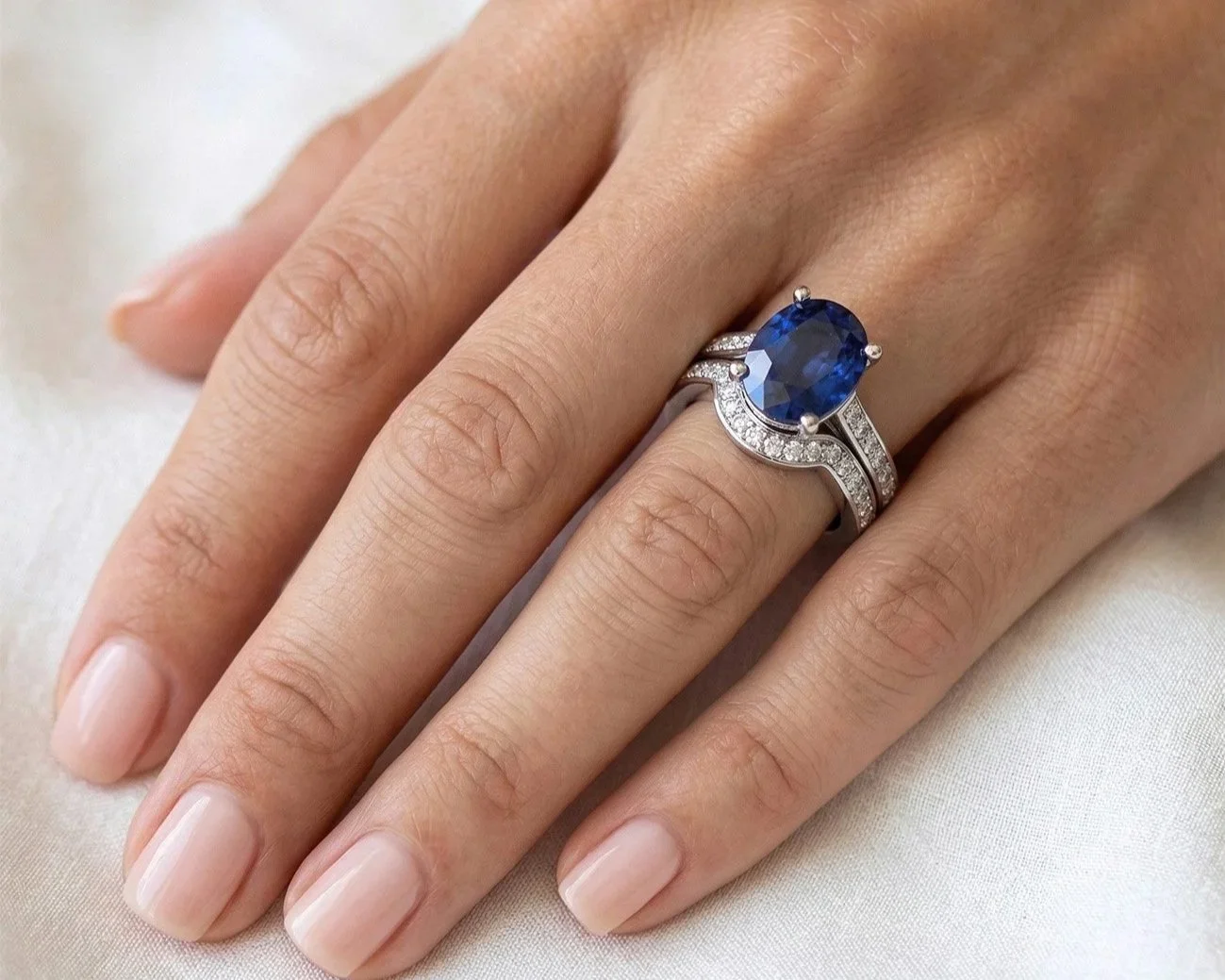
Blue sapphires became iconic after Princess Diana’s engagement ring, now worn by Kate Middleton. They offer both durability and individuality, making them ideal for everyday wear.
Emerald Engagement Rings: Vibrant but Delicate
Emeralds are known for their rich green colour and unique inclusions, often referred to as the stone’s “garden”.
Key considerations:
Lower hardness at 7.5 to 8
More prone to scratches and fractures
Requires careful setting and maintenance
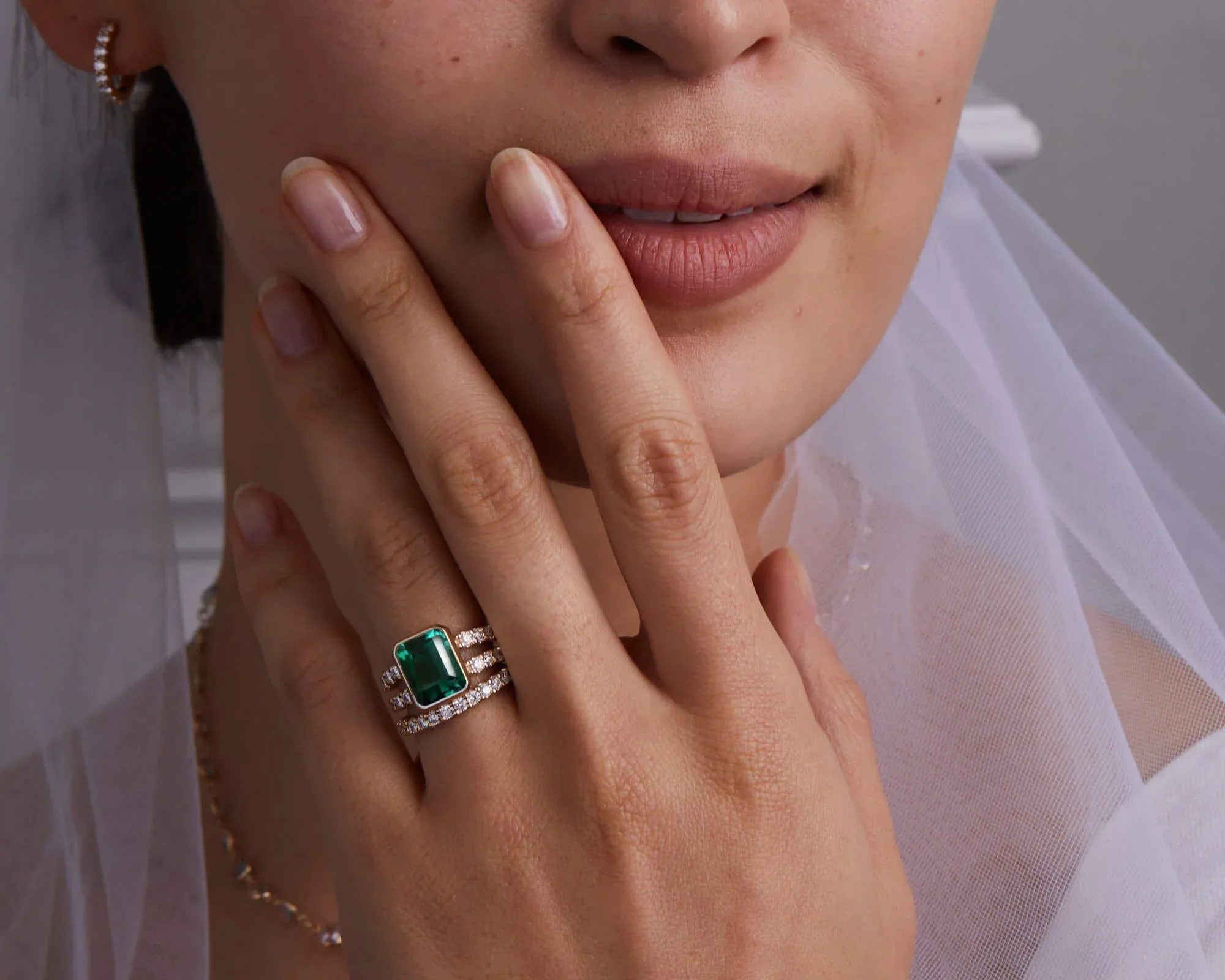
Emerald engagement rings are perfect for clients prioritising colour and uniqueness over durability, but they are less suited to very active lifestyles.
Ruby Engagement Rings: Rare and Symbolic
Rubies are among the rarest gemstones, especially in high quality.
Why consider a ruby:
Strong durability at 9 on the Mohs scale
Deep red colour associated with love and passion
Increasing investment appeal due to rarity
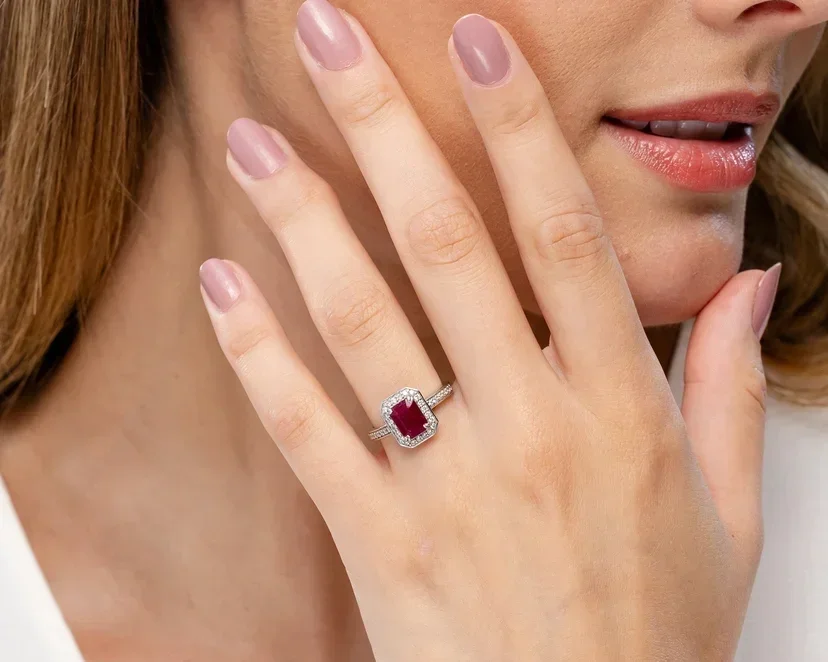
A fine ruby can be more valuable than a diamond of the same size, making it both a romantic and strategic choice.
Alternative Engagement Ring Stones
For those seeking something truly unique, several alternative gemstones are gaining popularity.
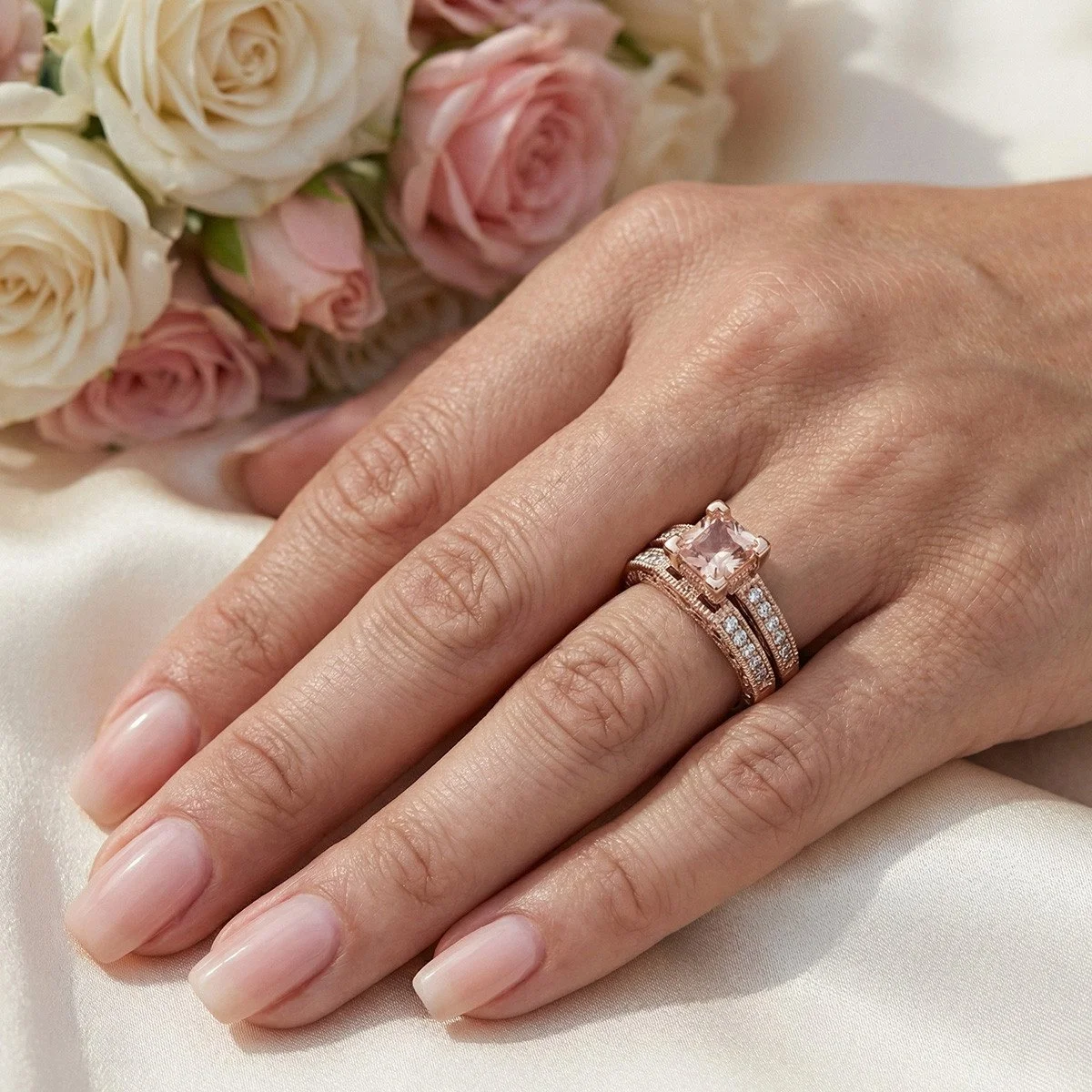
Morganite
Soft pink tones
Romantic and modern aesthetic
More affordable than diamonds
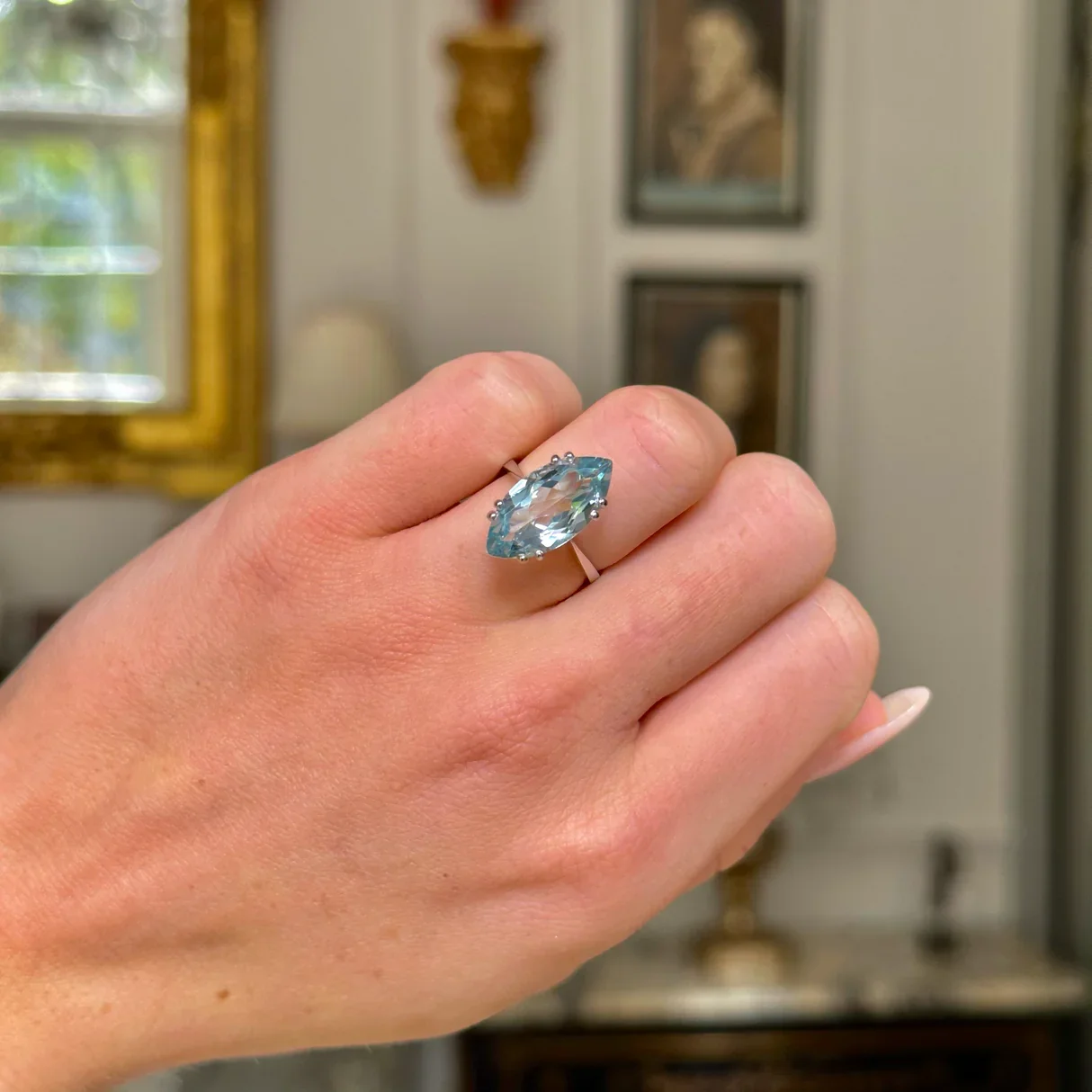
Aquamarine
Light blue colour
Good clarity and elegance
Moderate durability
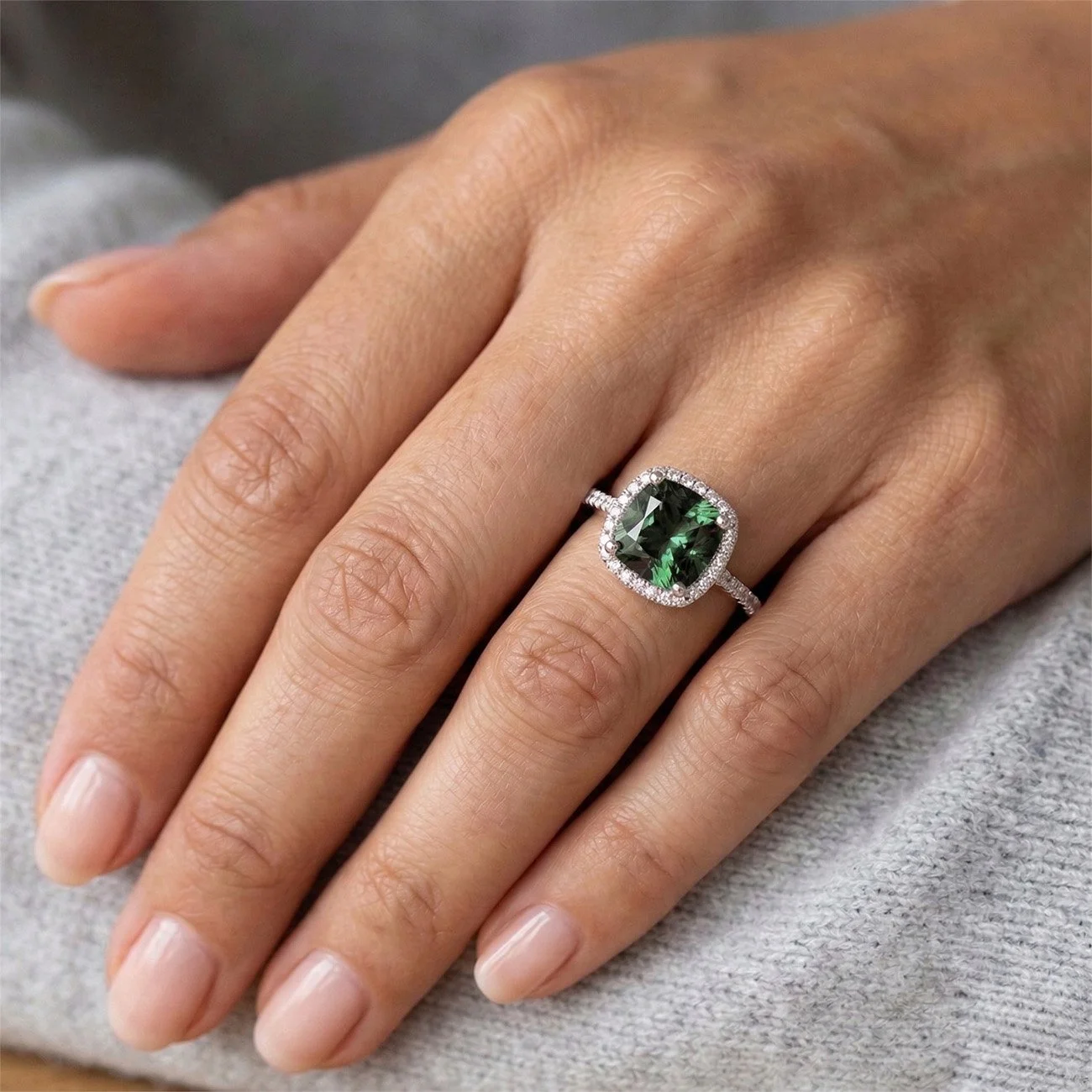
Tourmaline
Wide range of colours
Unique and unconventional
Increasing demand in bespoke jewellery
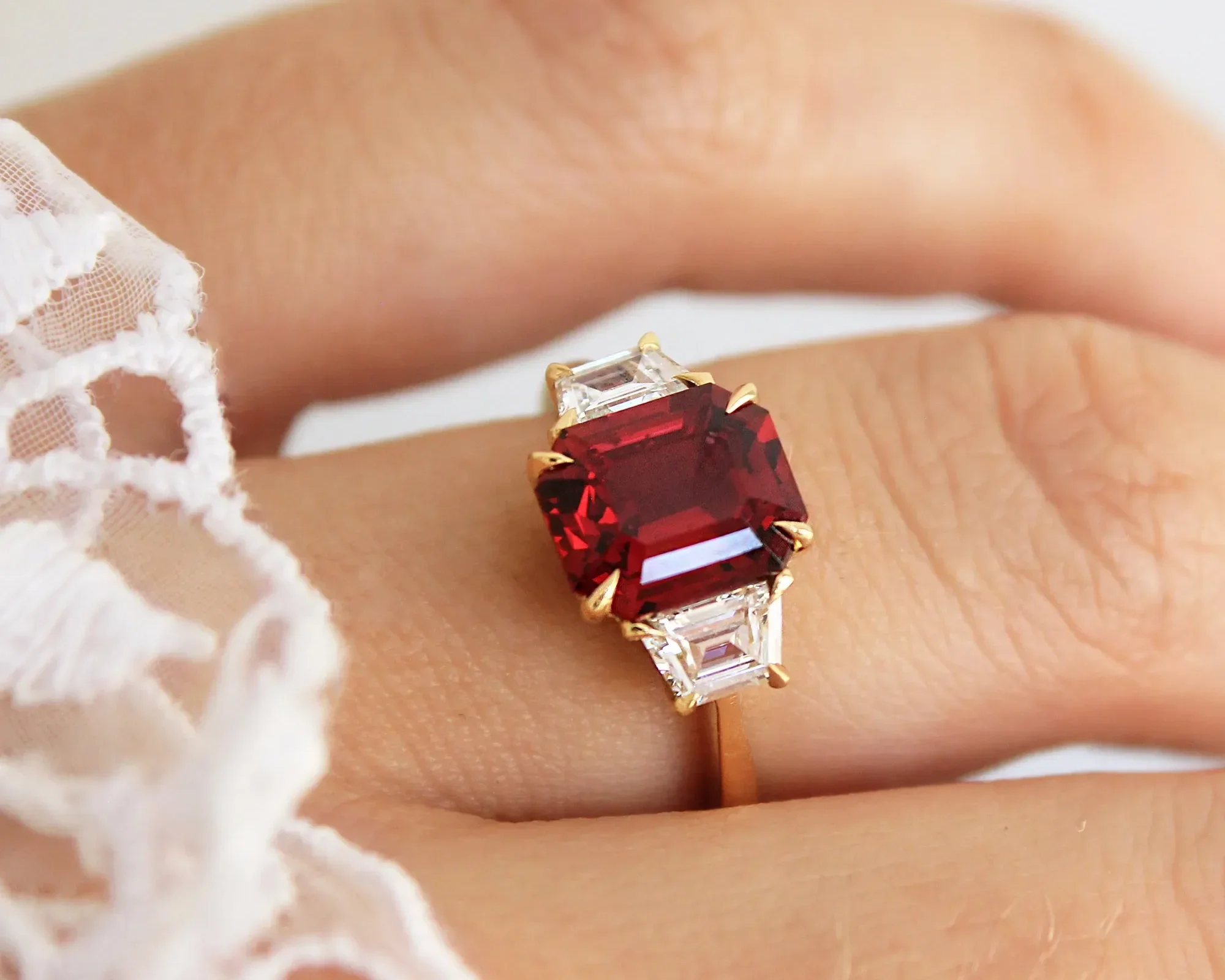
Spinel
Often mistaken for ruby
Excellent brilliance and durability
Underrated and highly collectible
These stones allow for greater personalisation, especially in bespoke engagement rings.
Personalisation and Meaning
Today, luxury is increasingly about personal meaning rather than tradition.
Ask yourself:
Does the stone reflect your partner’s personality
Is colour more important than brilliance
Do you value rarity, sustainability or symbolism
The perfect engagement ring stone is the one that tells your story.
Conclusion
There is no single “best” stone for an engagement ring. Diamonds remain the benchmark for durability and brilliance, but sapphires, emeralds, rubies and alternative gemstones offer unique opportunities for personal expression.
The key is to balance aesthetics, lifestyle, durability and budget while working with experts who can guide you through the process.
In the world of fine jewellery, true luxury lies in making an informed, intentional choice.