A 32ct Emerald at Sotheby’s: Inside Investment-Grade Green Gemstones
The emerald and diamond ring recently offered by Sotheby’s within its High Jewellery sale represents more than a remarkable piece of craftsmanship. It reflects a broader shift in the global gemstone market, where exceptional coloured stones are increasingly viewed as both emotional assets and alternative stores of value.
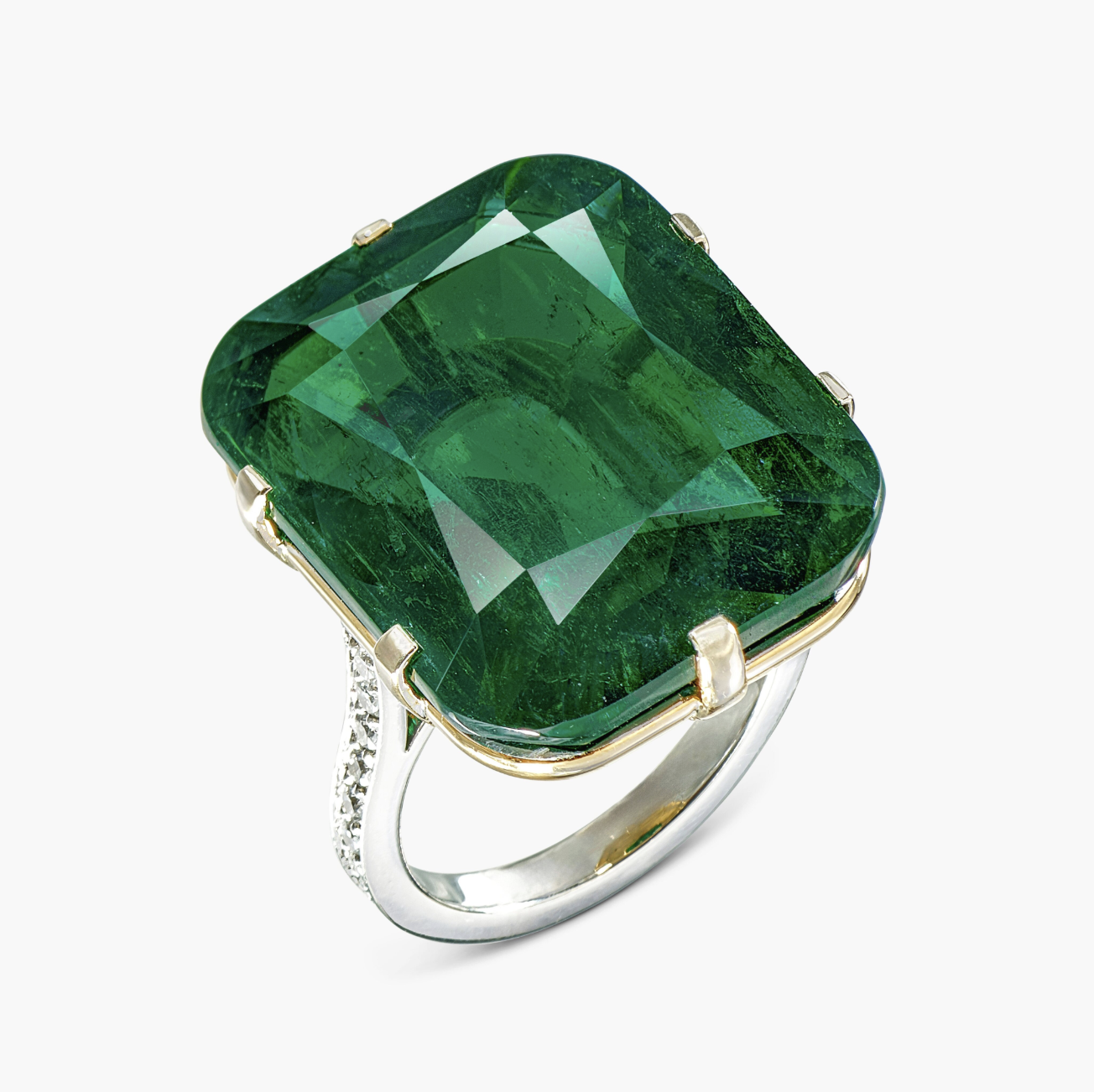
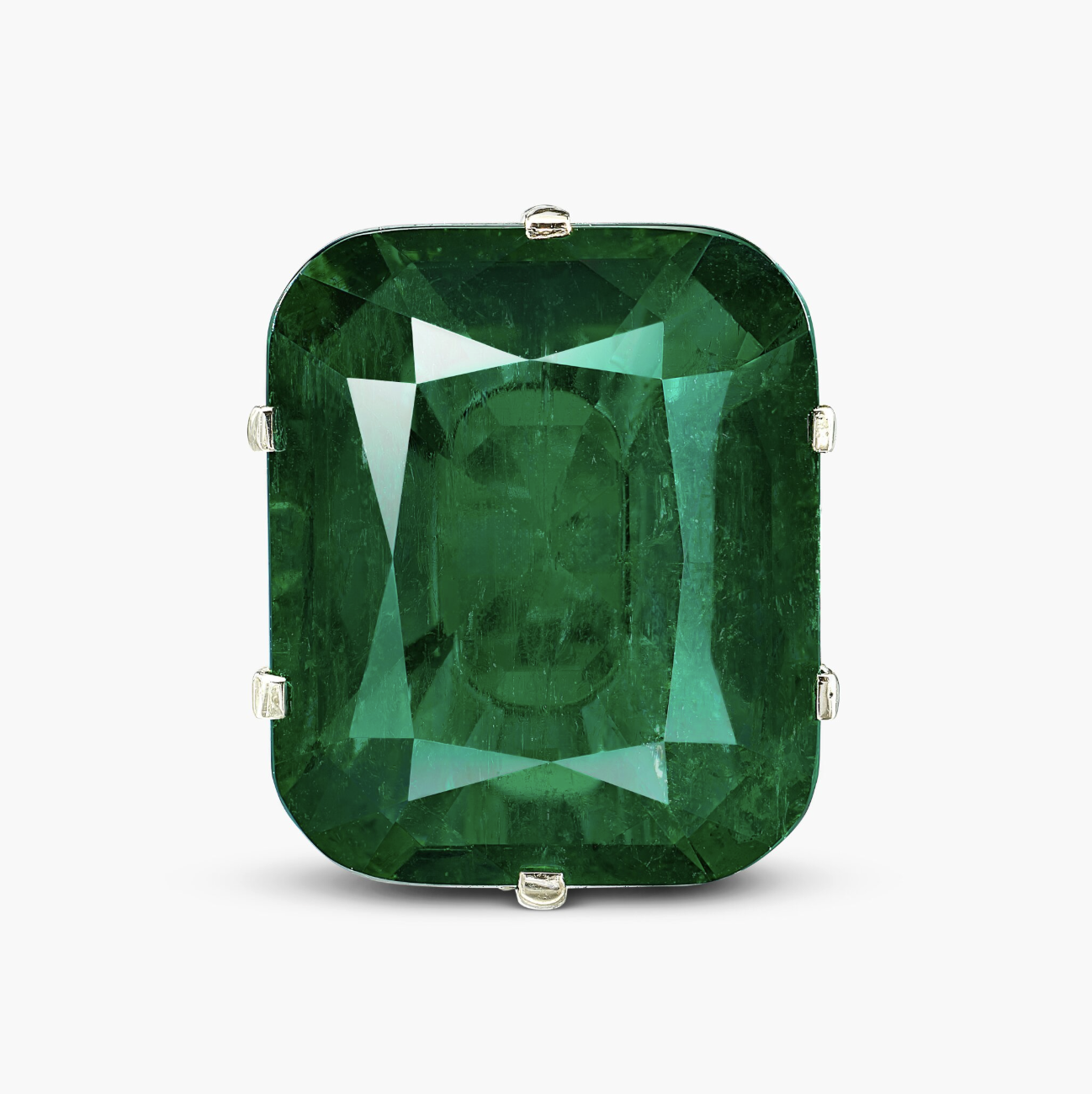
At the centre of this piece is the emerald itself, a gemstone long associated with rarity, heritage and prestige. In high jewellery auctions, emeralds are judged less on size alone and more on a combination of colour intensity, origin and transparency. Stones with a deep, vivid green and a balanced level of natural inclusions are considered the most desirable, particularly when they display the classic “jardin” structure that confirms their natural formation.
Sotheby’s high jewellery category consistently attracts collectors who are not simply purchasing jewellery, but acquiring investment grade gemstones. In this context, an important emerald and diamond ring is positioned as a collectible asset, where provenance, certification and visual impact are critical value drivers.
The emerald market itself has experienced a notable resurgence in recent years. One of the key reasons is scarcity. Fine quality emeralds, especially those originating from Colombia, remain limited in supply, while demand continues to grow from collectors in Europe, the Middle East and Asia. Unlike diamonds, emeralds do not benefit from the same level of standardised supply chains, which makes top quality stones significantly more sensitive to market pressure.
Another factor influencing the current momentum is changing consumer behaviour within luxury. High net worth individuals are increasingly seeking pieces that combine aesthetic identity with long term value retention. Emeralds, with their strong visual character and historical association with royalty and fine jewellery houses, fit this trend particularly well.
Auction houses such as Sotheby’s play a crucial role in reinforcing this positioning. Each sale acts as a reference point for the market, establishing benchmarks for price, quality and desirability. When an important emerald ring appears in a curated high jewellery auction, it signals confidence in the category and often stimulates further demand across private sales and dealer networks.

Looking ahead, the emerald market is likely to remain highly segmented. Commercial quality stones will continue to face pricing pressure, while exceptional gems with strong provenance and vivid saturation are expected to maintain, or even increase, their value. In this sense, pieces such as the Sotheby’s emerald and diamond ring are not just jewellery items, but indicators of where the luxury gemstone market is heading.
Images Credits: Sotheby’s
