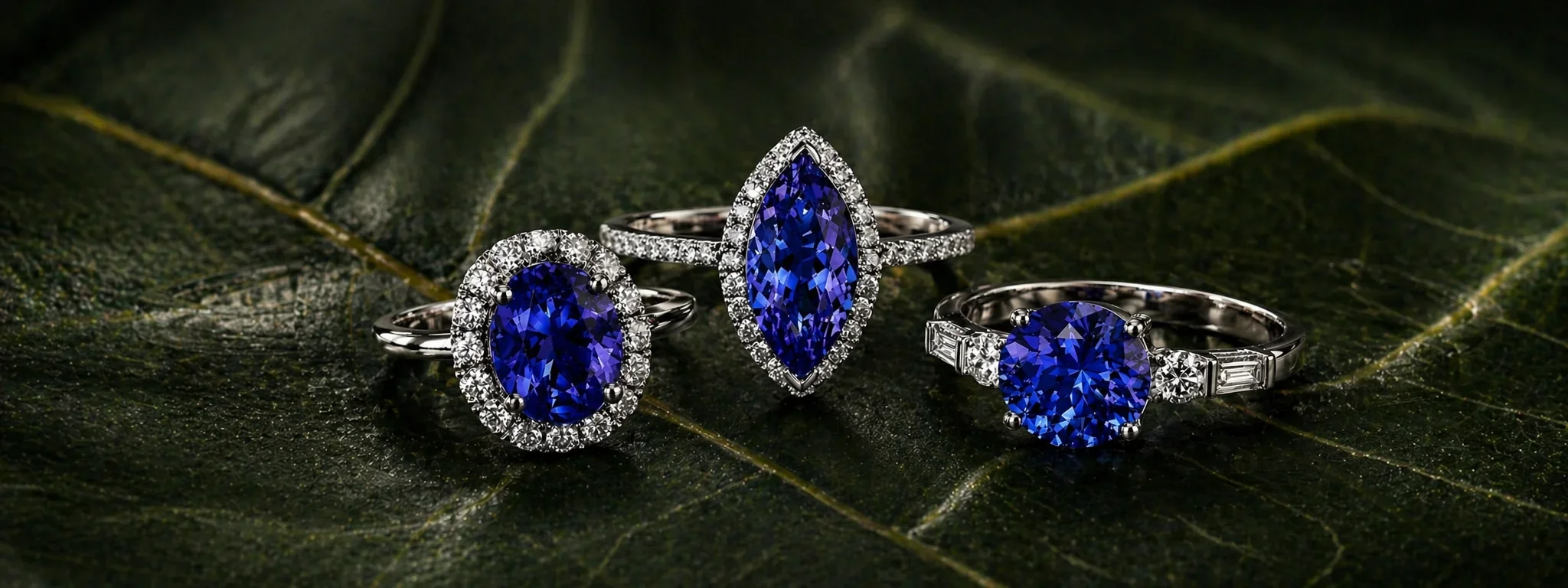
Exceptional Gemstones · An Editorial Guide
Tanzanite
A specialist guide to natural tanzanite: its violet-blue colour, strong pleochroism, unique origin in northern Tanzania, widespread heat treatment, quality factors, durability and the characteristics that define exceptional stones.
What is tanzanite?
A violet-blue gem found in one place on Earth.
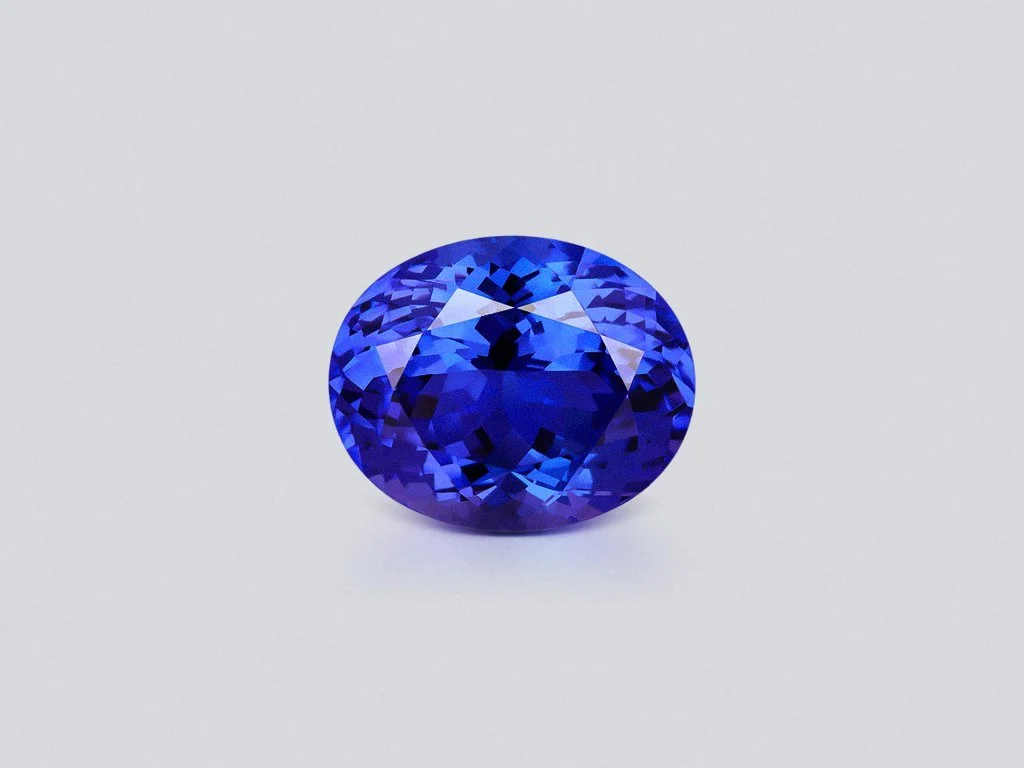
Tanzanite is the blue-to-violet gem variety of zoisite, a calcium aluminium silicate mineral. Its colour is associated principally with vanadium, and fine stones can show an unusually rich combination of violetish blue, bluish violet and flashes of purple depending on orientation and lighting.
What makes tanzanite particularly distinctive is its geographic concentration. Commercially important gem-quality material is mined in the Merelani Hills of northern Tanzania, near Mount Kilimanjaro. Unlike ruby, sapphire or emerald, which occur in multiple countries, tanzanite is associated with a single restricted mining area.
Colour & pleochroism
Why does tanzanite change colour as it moves?
Tanzanite is strongly pleochroic, meaning the crystal can show different colours when viewed along different crystallographic directions. Unheated material can display blue, violet and brownish or greenish components, while the polished stones familiar to the jewellery market typically show a more concentrated blue-to-violet appearance.
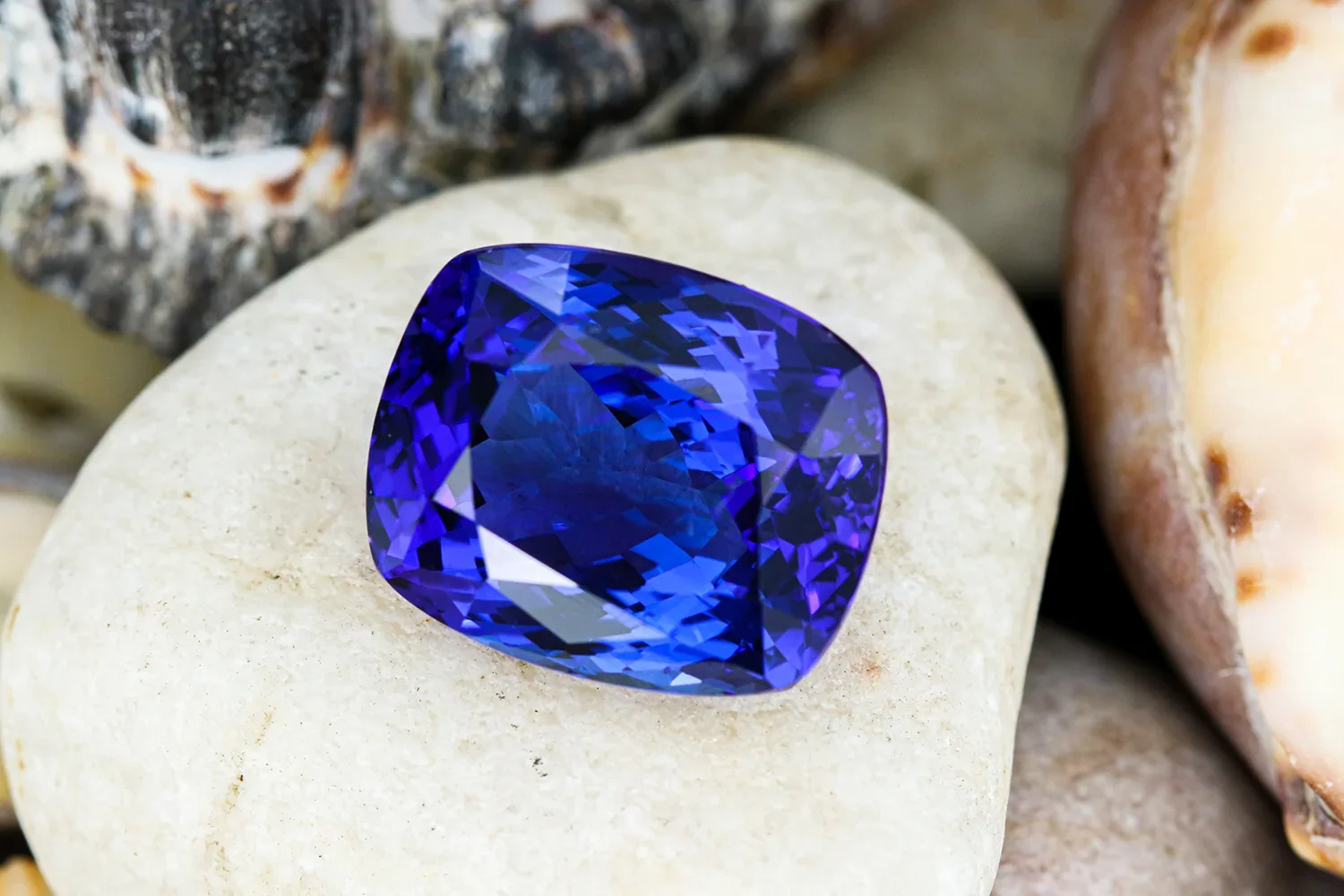
This makes cutting especially important. The orientation chosen by the cutter affects whether a finished gem appears predominantly blue or violet and how saturated that colour looks face-up. In exceptional stones, GIA describes intense violetish blue colour with flashes of pleochroic red visible from within.
In tanzanite, cut does more than create brilliance — it determines which direction of colour the finished gemstone presents to the eye.
Geographic origin
Merelani,
Tanzania.
Tanzanite's identity is inseparable from northern Tanzania. Commercial gem-quality tanzanite is associated with the Merelani mining area, making geographic origin unusually concentrated compared with most major coloured gemstones.
Tanzania
Tanzanite was discovered in the late 1960s in the Merelani area of northeastern Tanzania. The deposit lies near Mount Kilimanjaro and remains the world's recognised commercial source of the gem. This single-source geology is central to tanzanite's identity, rarity and long-term significance within coloured gemstones.
Heat treatment
Why is most tanzanite heated?
Most blue and violet tanzanite in the market has been heat treated. Unheated material is commonly brownish and can show strong trichroism. Heating at relatively modest temperatures removes much of the brown or yellow component and reveals the blue-to-violet colours for which the gemstone is known.
Research indicates that the colour modification is associated with changes in vanadium-related absorption within the crystal. Because heating is so widespread and can be difficult to detect conclusively, the trade generally assumes that blue tanzanite has been heated unless reliable evidence indicates otherwise. The treatment is stable under normal wear.
Quality factors
What makes a fine tanzanite exceptional?
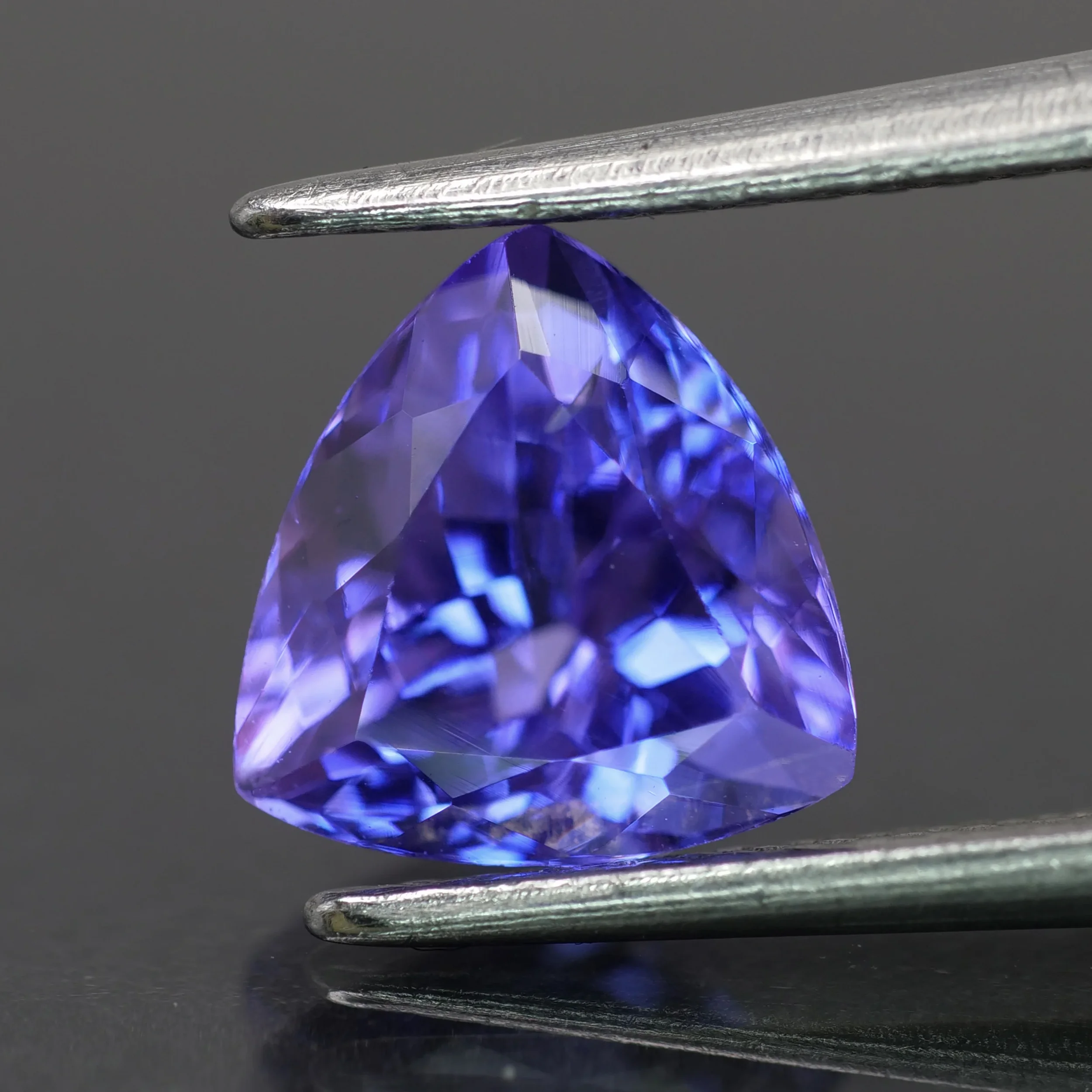
Tanzanite does not have a universal numerical quality scale. Value is assessed through the interaction of colour, clarity, cut and carat weight, with colour normally leading the evaluation. GIA identifies deeply saturated violet blue and blue violet as the most valuable colour range.
Size and colour are closely related. Smaller tanzanites often appear lighter, while larger stones can show the depth of saturation collectors associate with fine material. GIA notes that gems above approximately five carats are more likely to display deep, fine colour.
Deep saturated violetish blue and bluish violet are particularly prized. Pale or greyish stones are more widely available.
Much gem-quality tanzanite is relatively clean to the unaided eye. Visible inclusions or fractures that affect transparency or durability reduce value.
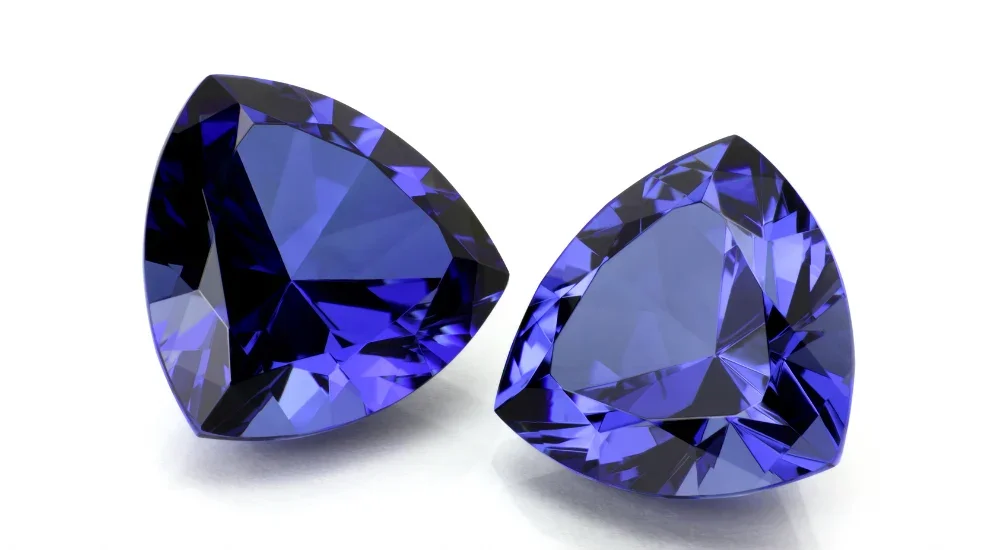
The cutter balances brightness, weight retention and pleochroic orientation. Ovals and cushions are common, but fine material appears in many shapes.
Larger stones can support deeper saturation. Weight alone does not define quality, but fine colour becomes less common in small sizes.
Tanzanite requires more care than sapphire or diamond. Protective settings are recommended for rings intended for frequent wear.
Rarity and value
What determines tanzanite value?
Colour is usually the first consideration, followed by transparency, cut and carat weight. A strongly saturated stone with lively brilliance and a balanced blue-to-violet appearance can command substantially more than a pale or overly dark example of similar size.
Tanzanite's single-source origin contributes to its market identity, but rarity should not be confused with guaranteed investment performance. Treatment, clarity, proportions, durability and the quality of any gemmological documentation should all be considered when evaluating an individual stone.

Private sourcing & bespoke design
From Tanzanian colour to a personal jewel.
A fine tanzanite should be assessed for colour, saturation, pleochroism, transparency, cut, size and suitability for the intended design. Through a private consultation in Monaco or remotely, I can help define the right stone and setting direction for a bespoke high jewellery commission.
Because tanzanite is softer than diamond or sapphire, the design should consider durability as carefully as beauty — particularly when the gemstone is intended for a ring or another piece worn frequently.
Discover BespokeTanzanite questions
Frequently asked questions.
What is tanzanite?
Tanzanite is the blue-to-violet gem variety of zoisite. Its colour is associated principally with vanadium, and gem-quality material is commercially mined in the Merelani Hills of northern Tanzania.
Where does tanzanite come from?
Commercial gem-quality tanzanite comes from the Merelani mining area in Tanzania, near Mount Kilimanjaro. Its unusually restricted source is one of the defining characteristics of the gemstone.
Why is tanzanite blue and violet?
Vanadium is the principal colouring agent. Tanzanite is strongly pleochroic, so different crystal directions can show blue, violet and other colour components. Cutting orientation and heat treatment influence the appearance of the finished gem.
Is tanzanite usually heat treated?
Yes. Most blue and violet tanzanite in the market is assumed to have been heated. Heating removes much of the brown or yellow component found in many natural crystals and reveals the blue-to-violet colours desired in jewellery.
What is the best tanzanite colour?
Deep saturated violetish blue and bluish violet are generally the most prized. The best stones combine strong colour with good transparency, lively brilliance and balanced face-up appearance.
Is tanzanite rarer than diamond?
Tanzanite is commercially mined in a far more geographically restricted area than diamond. However, rarity alone does not determine value, and comparisons between different gem species should be made carefully.
Can tanzanite be used in an engagement ring?
It can, but tanzanite is softer than diamond or sapphire and requires more care. A protective setting and thoughtful wearing habits are advisable for a ring intended for frequent use.
How should I choose a tanzanite?
Consider colour, saturation, tone, transparency, inclusions, cut quality, pleochroism, carat weight and durability. For an important stone, purchase through a knowledgeable source and review any available gemmological documentation.