The Florentine Diamond Returns: A Lost 137-Carat Treasure
Few gems in history have inspired as much fascination as the Florentine Diamond. For more than a century, its whereabouts have been a subject of speculation, myth and archival detective work. This November, however, the world of jewellery was shaken by an extraordinary revelation. The legendary yellow diamond, long believed lost after the fall of the Austro Hungarian Empire, has reportedly resurfaced in Canada, connected to the possessions of Empress Zita’s descendants.
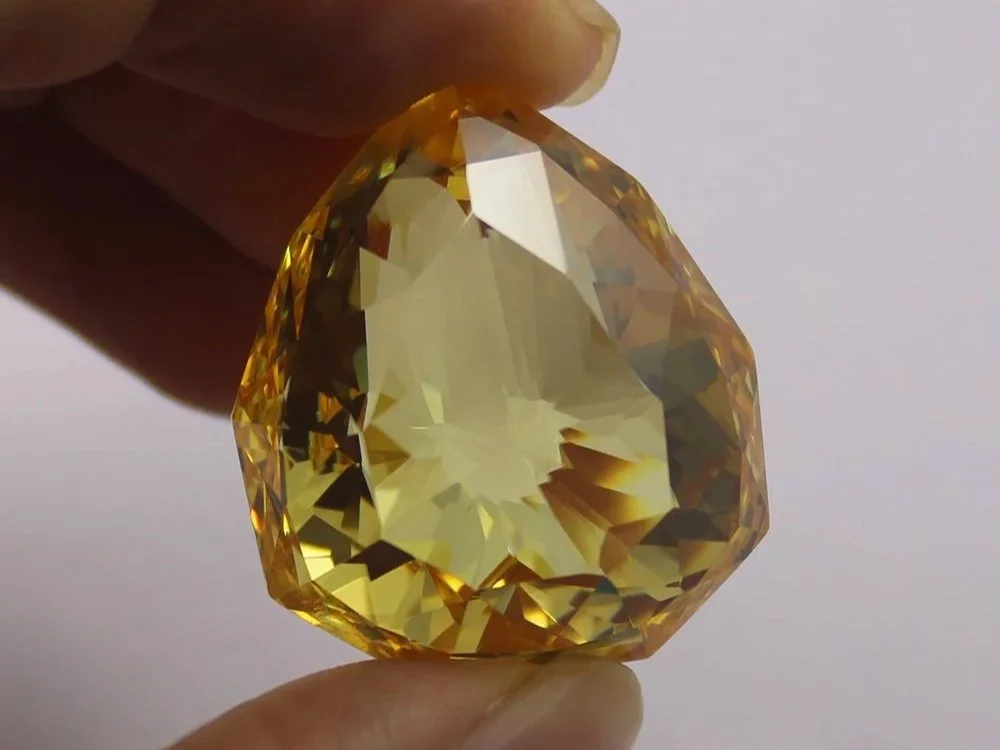
The Florentine Diamond has always held a unique place in royal lore. Weighing approximately 137 carats in its most documented form, the stone is famous for its unusual double rose cut and its rich, warm yellow hue. Thought to have originated in India, the diamond passed through the Medici court before entering the Habsburg treasury, where it became one of the dynasty’s most recognisable symbols of power. Its fate turned dramatically in 1918 when the Imperial Family went into exile and the stone disappeared during the chaos that followed.
Clues Emerge from Canada
For over one hundred years, historians, gemmologists and collectors have speculated on whether the Florentine still existed. Some believed it had been recut. Others insisted it had been sold discreetly. A few argued it was a complete historical phantom, unlikely ever to reappear. The recent developments, however, suggest something far more compelling.
According to investigative reports, researchers working with private archives in Canada uncovered a series of documents pointing to the diamond’s presence in the country after the Second World War. These include correspondence and records linked to members of the Habsburg family and to intermediaries involved in safeguarding imperial jewels during the family’s displacement. While the stone itself has not yet been presented publicly, the evidence is sufficiently convincing to restart serious academic interest in its rediscovery.
What the Florentine’s Return Would Mean for the Gem World
The possible re emergence of the Florentine Diamond raises intriguing questions for the gem world. If authenticated, it would be one of the most significant historical recoveries of the century, on a par with the resurfacing of long lost royal pearls or regalia. Its value would be impossible to estimate based solely on market mechanisms, as its importance lies not only in carat weight or colour but in its unmatched cultural and dynastic provenance.
For gem experts, the case also highlights a broader issue. Many historical jewels vanished during political upheavals, wars and dynastic falls. Their reappearance often depends on meticulous archival research rather than chance. The Florentine’s story continues to evolve through documents, family testimonies and regional archives, reminding us that our understanding of jewellery history is far from complete.
Until more definitive proof is revealed, the world watches closely. Whether locked away in a private collection or preparing for a triumphant public unveiling, the Florentine Diamond remains one of the greatest enigmas in the history of royal gemstones. Its potential return is not simply the resurfacing of a jewel but the revival of a legend that has shaped European court culture for centuries.
Image Credits: The Daily Beast