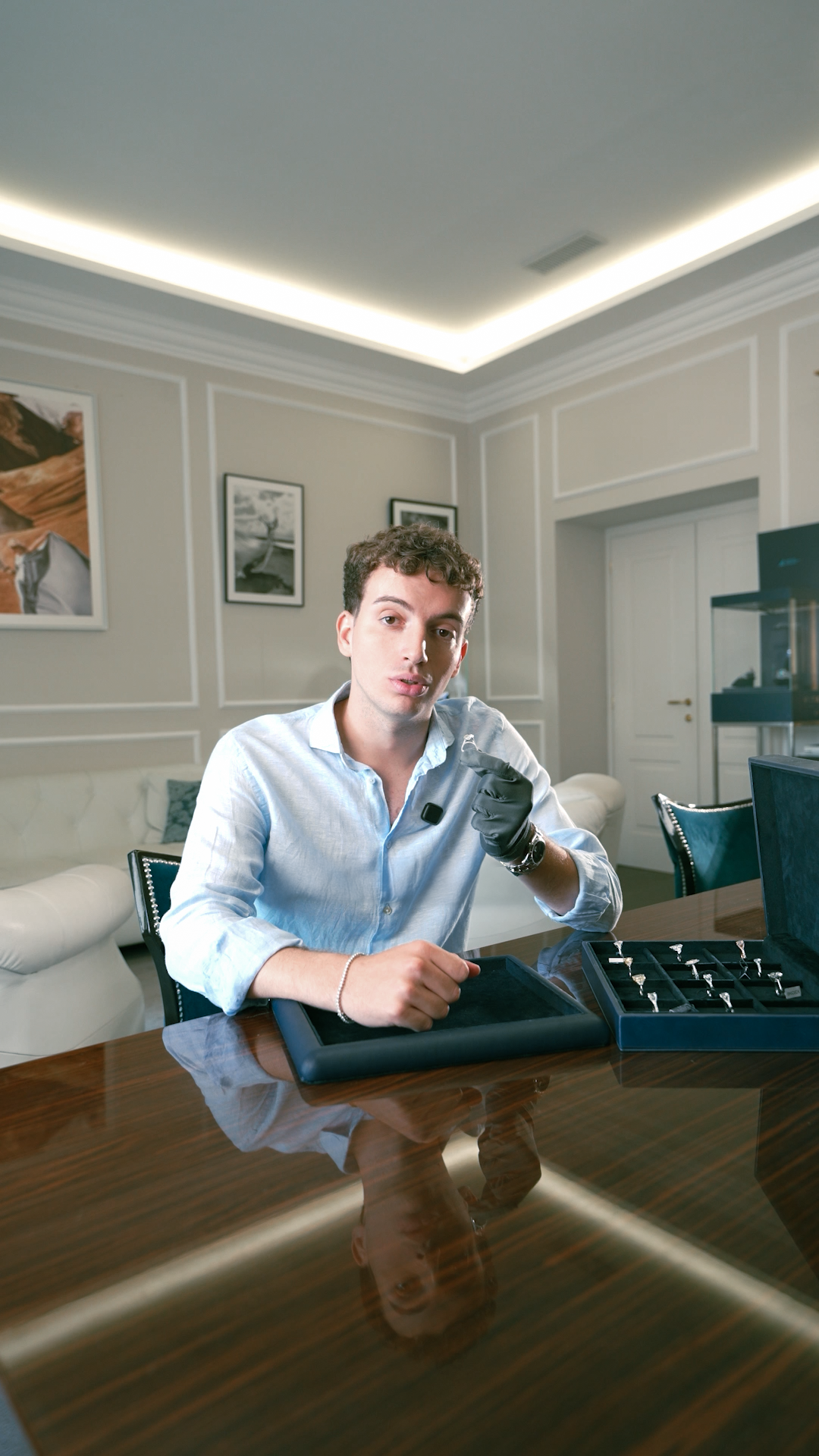
Bad Bunny’s Super Bowl 2026 Diamond Moment
When Bad Bunny stepped onto the stage at the 2026 Super Bowl, it was immediately clear that this was more than a musical performance. It was a cultural statement. Beyond the choreography, sound and spectacle, one detail captured global attention: diamonds. Bold, unapologetic and deliberately centre stage, Bad Bunny’s jewellery choices transformed the halftime show into a defining moment for masculinity and pop culture.
In recent years, the Super Bowl halftime show has evolved into one of the most powerful platforms for artistic and cultural expression. Artists no longer simply perform. They communicate identity, values and influence to an audience of hundreds of millions. Bad Bunny understood this better than most, using diamonds not as accessories, but as symbols.
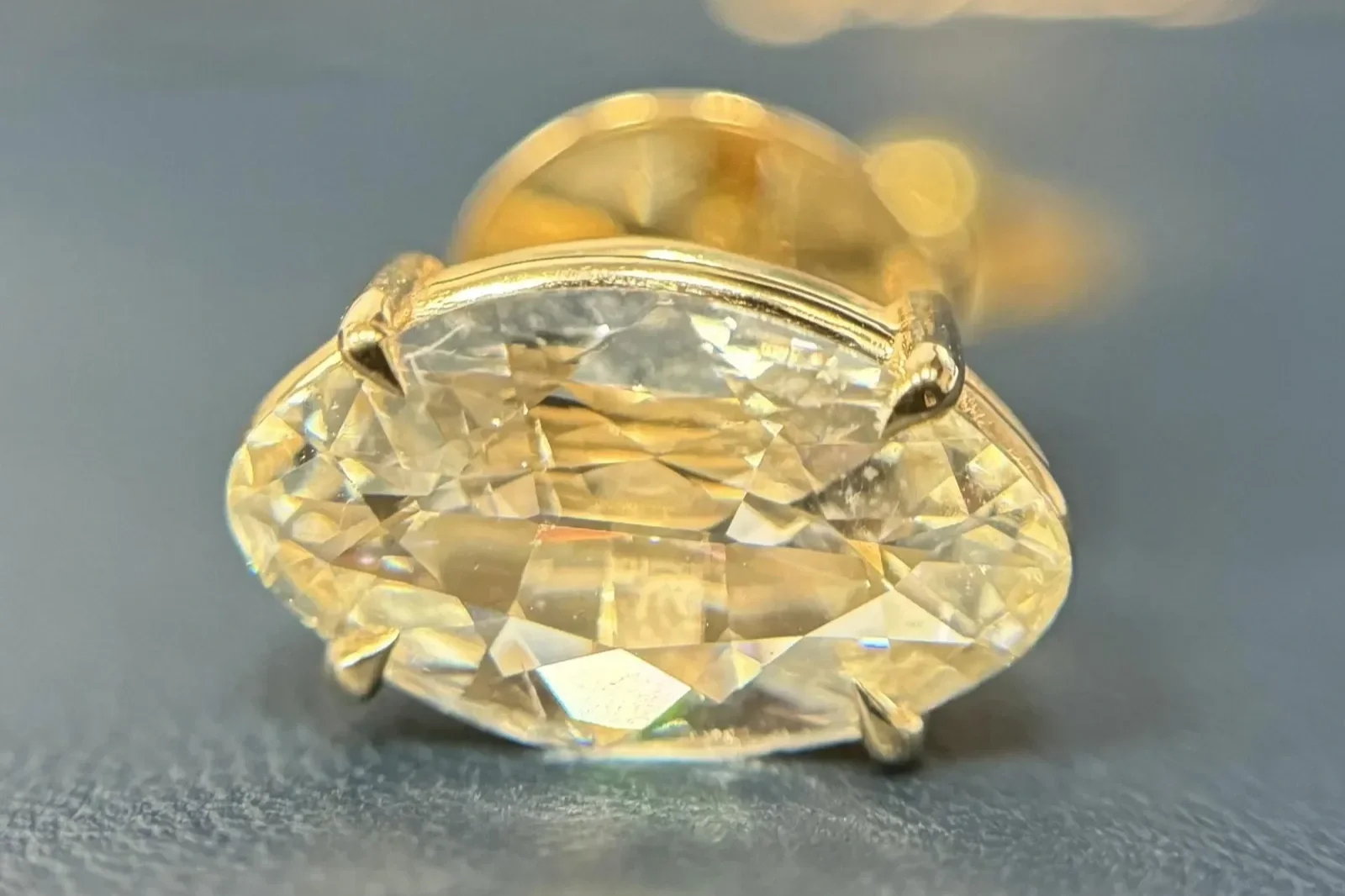
Diamonds as a Statement, Not an Ornament
Historically, diamonds in mainstream pop culture have been closely associated with wealth, status and traditional ideas of glamour. Bad Bunny’s approach challenged all of this. His diamond pieces were oversized, expressive and impossible to ignore, yet worn with an effortless confidence that stripped them of cliché. Rather than reinforcing outdated ideas of luxury, the jewellery became part of a broader narrative. Diamonds were presented as tools of self-expression, gender fluidity and creative freedom. They were not there to impress. They were there to speak.
This shift reflects a wider transformation within the luxury industry, where consumers increasingly value meaning over display. In this context, diamonds are no longer just precious stones. They are cultural markers.
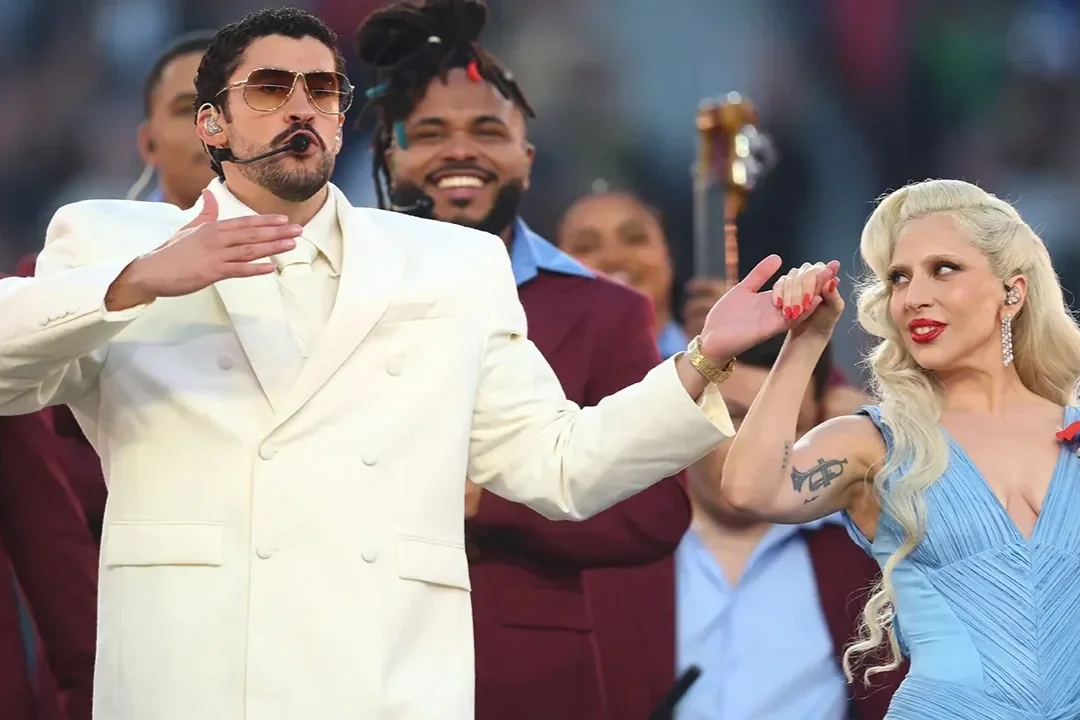
The Power of Pop Culture in Shaping Luxury Trends
Pop culture has always played a crucial role in shaping consumer behaviour, but the speed and scale of influence today are unprecedented. A single appearance can redefine desirability overnight. Following the Super Bowl, searches for diamond jewellery worn by men surged, alongside renewed interest in statement pieces that blur the line between fashion, art and identity. This is not about imitation. It is about aspiration. Audiences do not necessarily want the same jewellery, but they want the confidence, freedom and authenticity it represents.
For the diamond industry, moments like this are invaluable. They reposition diamonds within contemporary culture, making them relevant to audiences who may previously have associated them only with engagement rings or heritage jewellery.
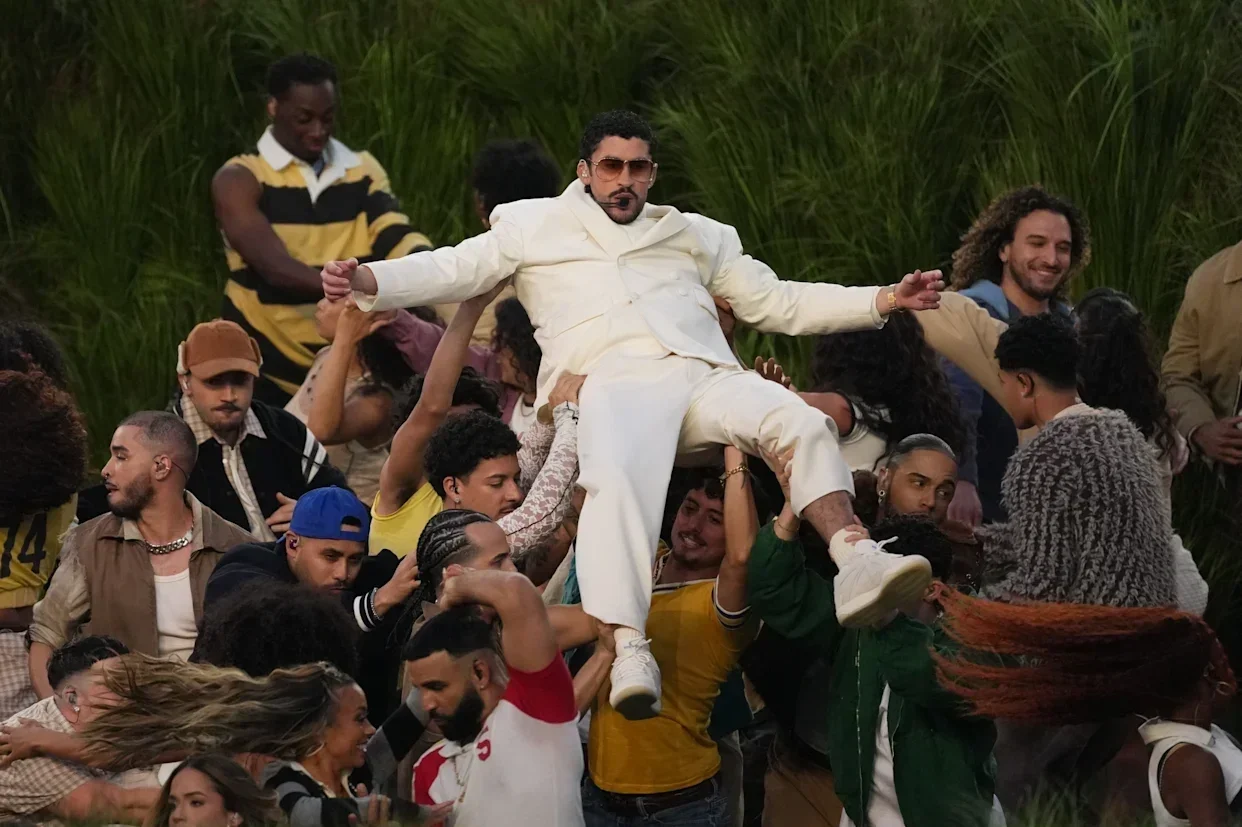
Authenticity as the New Luxury Currency
What made Bad Bunny’s diamond moment so powerful was its authenticity. It did not feel like a brand placement or a calculated marketing move. It felt personal, aligned with his artistic identity and long-standing approach to fashion. Modern consumers are highly attuned to inauthentic storytelling. They respond to individuals who wear luxury because it reflects who they are, not because they are paid to do so. This authenticity is what elevates a style choice into a cultural moment. In this sense, Bad Bunny did not just wear diamonds. He embodied a new way of relating to luxury, one rooted in emotion, individuality and cultural relevance.
A Turning Point for the Diamond Narrative
The 2026 Super Bowl may well be remembered as a turning point in how diamonds are perceived. No longer confined to tradition, romance or formality, they were presented as dynamic, modern and deeply expressive. For jewellers, designers and luxury brands, the message is clear. The future of diamonds lies in storytelling that resonates with real identities and evolving values. It lies in embracing diversity of expression and moving beyond one-size-fits-all narratives.
Bad Bunny’s performance showed that diamonds can be bold without being arrogant, luxurious without being exclusive and powerful without being conventional.
Image Credits: Natural Diamond Council and Vanity Fair