Padparadscha Sapphire: The Ultimate Guide 2025
Padparadscha sapphires occupy a unique place in the world of fine gemstones. Their delicate blend of pink and orange, reminiscent of tropical sunsets and lotus flowers, has fascinated collectors for centuries. Although long admired within specialist circles, their beauty has gained broader recognition in recent years thanks to growing consumer interest in coloured gemstones and the increasing desire for distinctive engagement rings. In 2025, the padparadscha continues to be regarded as one of the most desirable and rare sapphire varieties, making it both a romantic and strategic choice for jewellery lovers and investors.
What Makes a Padparadscha Sapphire Unique
The name padparadscha originates from an ancient Sinhalese term used to describe the soft salmon colour of a lotus blossom. This association with nature captures the essence of the gem’s appeal. Unlike traditional blue sapphires, the padparadscha lies at the balance point between pink and orange. The ideal stone displays a harmonious fusion of these hues with no single colour dominating. The result is a warm, glowing tone that is instantly recognisable yet extremely difficult to find in nature. Collectors often describe the colour as sunset pink or lotus orange. In practice, padparadscha sapphires come in a range of shades from light peach to deeper salmon tones. The finest stones have an even distribution of colour without noticeable zoning. Because the tone is typically light to medium, clarity plays an important role, since inclusions are more visible than in darker-coloured gems.
The past decade has brought increased attention to padparadscha sapphires, particularly through high profile jewellery pieces. One of the most widely discussed examples is the engagement ring worn by Princess Eugenie, widely credited with inspiring a renewed fascination for the stone. Since then, padparadschas have become a sought-after alternative to classic diamonds and blue sapphires, especially among clients looking for something rare, meaningful, and subtly colourful. This trend aligns with the rising popularity of rose gold settings and vintage-inspired ring designs. The warm tones of rose gold complement the pink and orange hues of a padparadscha, emphasising its natural radiance. Modern consumers want jewellery with emotional value and personal expression, and the padparadscha sapphire answers that desire through both symbolism and rarity.
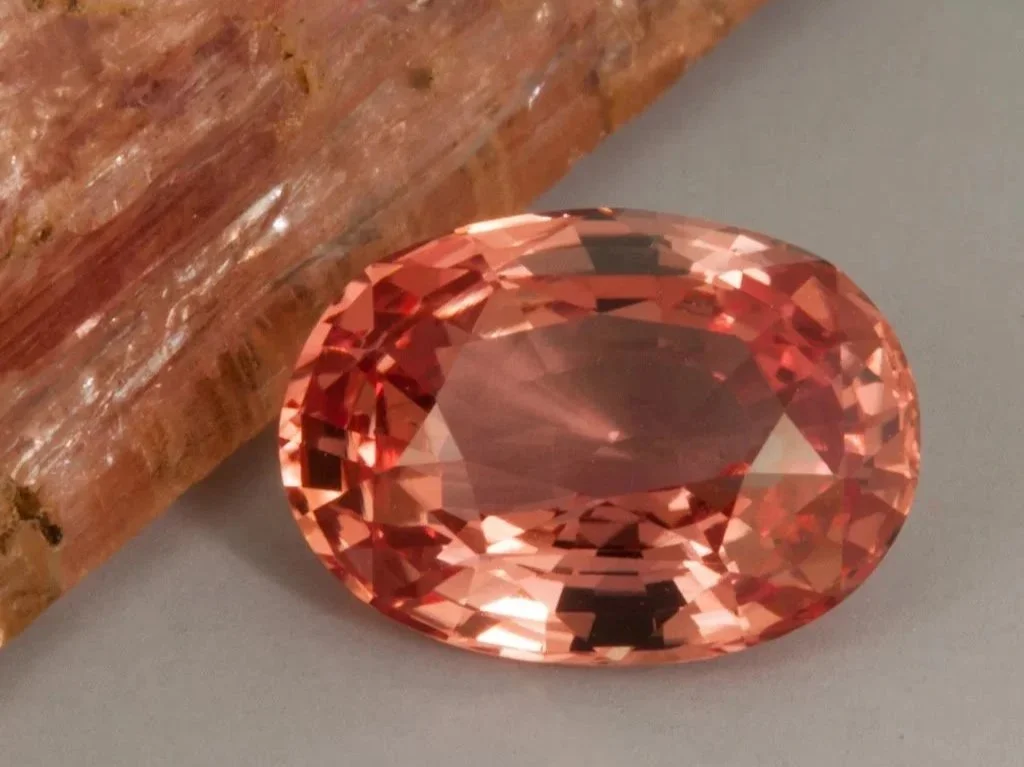
Understanding Colour Standards and Classification
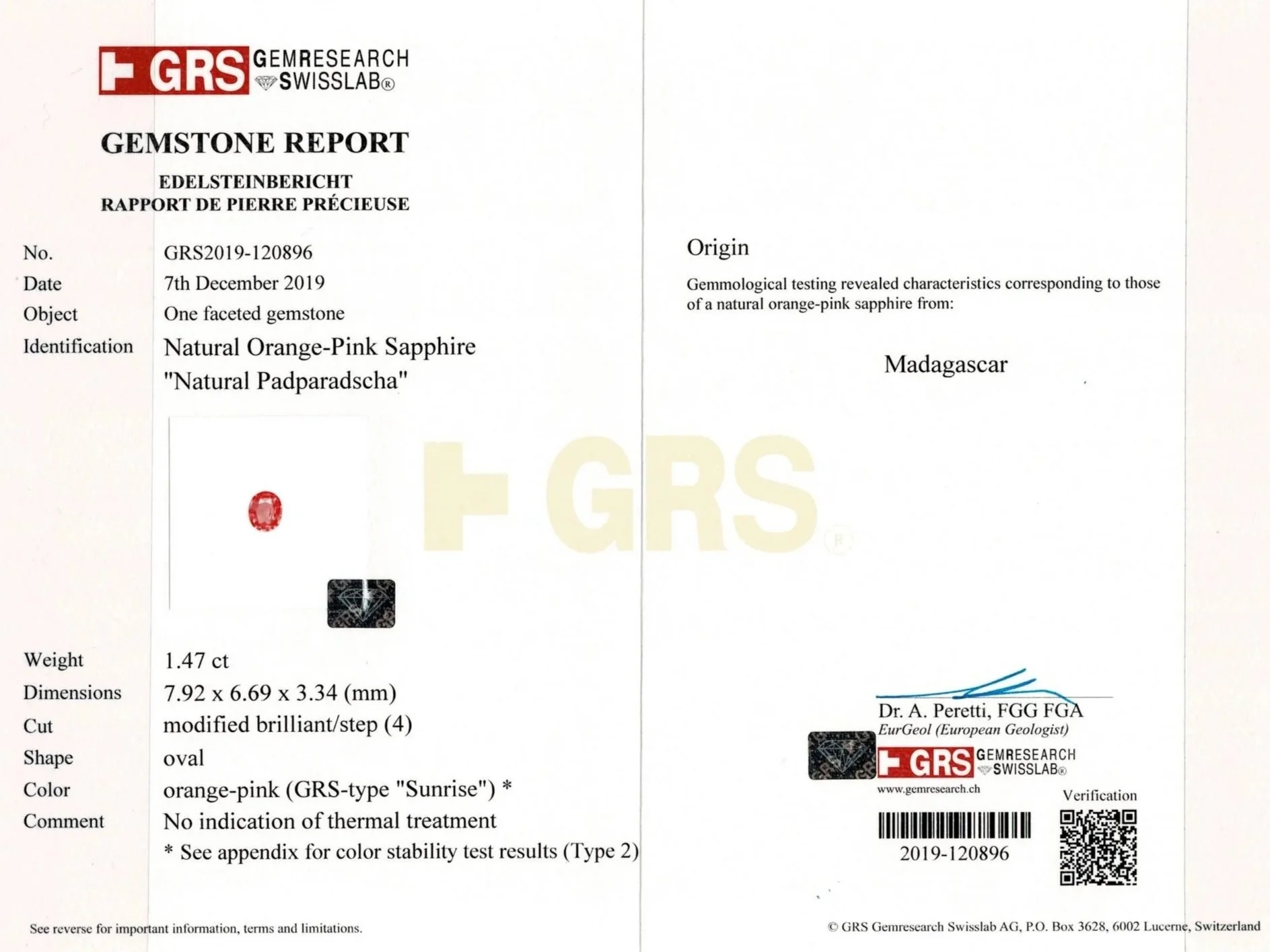
Although universally admired, the padparadscha sapphire has long been the subject of debate in the gem trade. Experts cannot always agree on where the boundaries of its colour range should lie. Some gemmologists insist that true padparadscha must show a perfect balance of pink and orange, while others accept stones with stronger undertones or slight colour zoning, provided the overall impression remains within the salmon spectrum. Tone is another point of discussion. If the colour is too dark, the stone may classify as orange or pink sapphire rather than padparadscha. If it is too light, it risks being mistaken for pastel sapphire. This lack of strict consensus means reputable certification from laboratories is essential for any serious buyer. Reports from respected institutions help confirm whether a stone meets accepted colour criteria.
Cutting a padparadscha sapphire is a delicate process. Because the rough material is so scarce, cutters often prioritise retaining weight over creating perfect symmetry. As a result, many stones display unusual or slightly asymmetrical shapes. These characteristics should not be seen as flaws but rather as reflections of the gem’s rarity. The cut also affects how the colour appears. Light stones that are too shallow may lose depth of colour, while overly deep cuts may create dark areas. Oval and cushion cuts are particularly popular because they maximise brilliance and highlight the stone’s warm glow. Clarity is especially important for padparadschas because their light tones make inclusions more visible. Slight inclusions are acceptable and expected in natural stones, but excessive cloudiness can mute the delicate colour that defines the gem.
Natural, Heated and Treated Padparadscha Sapphires
Due to their rarity, padparadscha sapphires command high prices. This has led to the development of treatments designed to create padparadscha-like colours in otherwise less desirable stones. One of the most significant of these is beryllium diffusion, a high temperature process that alters the sapphire’s colour from within. While beautiful, these stones do not hold the same value as natural or traditionally heated padparadschas and should be clearly disclosed.
Heating without beryllium is a widely accepted and stable treatment used to enhance colour in many sapphire varieties. For padparadschas, low temperature heating is sometimes applied to refine the balance of pink and orange. Although untreated stones are the rarest and most expensive, fine-quality low-heated stones are also highly valued. Buyers should always review certificates to ensure clarity regarding any treatment.
Where Padparadscha Sapphires Are Found
Sri Lanka is historically the most famous source of padparadscha sapphires and continues to produce some of the finest examples. The island’s gem-bearing gravels have yielded these stones for centuries, giving Sri Lankan padparadschas a long-standing reputation for exceptional colour balance and clarity.
In more recent years, Madagascar has become a significant supplier. The stones from this region tend to lean slightly more pink than orange, yet many are visually striking and sought after in the international market. Tanzania also produces small quantities, although stones from this source are less common. Most experts agree that the origin does not determine whether a sapphire can be classified as padparadscha. Instead, the colour itself is what defines the gem. Nevertheless, Sri Lankan stones remain particularly prized by collectors due to their scarcity and tradition.
Investment Value and Collectability in 2025
Padparadscha sapphires stand among the most collectible coloured gemstones on the market. Their rarity, combined with increasing global demand, has caused prices to rise steadily. Because natural stones are limited and cannot be mined at scale, their value is expected to continue increasing over the coming years. Heated stones of fine quality also offer strong long term appeal. They provide the beauty and colour of padparadscha at more accessible prices, making them an excellent choice for buyers who prioritise aesthetics but still seek investment potential.
Choosing a Padparadscha Sapphire in 2025
Selecting a padparadscha sapphire involves balancing colour, clarity, size, and treatment. The most important element is colour harmony. A true padparadscha should reveal a clear presence of both pink and orange, ideally with even saturation across the stone. Buyers should view the gem in varied lighting to appreciate how its tones shift throughout the day. Clarity should enhance rather than detract from the colour. While small inclusions are expected, excessive cloudiness reduces brilliance. Cut is equally significant because a well proportioned stone maximises sparkle and shows off the nuanced colour. Finally, always confirm certification from a respected laboratory. A laboratory report ensures the stone meets recognised colour criteria and confirms any treatments, helping protect buyers in a market where demand far exceeds supply.
Padparadscha sapphires represent the fusion of rarity, natural artistry, and cultural symbolism. Their warm, romantic tones evoke imagery of sunsets, lotus petals, and tropical shores. Despite their increasing popularity, they remain among the scarcest gemstones available, ensuring each stone is truly one of a kind. As interest in coloured gemstones continues to grow in 2025, the padparadscha sapphire stands out not only for its beauty but for its lasting significance as one of the most captivating gems on earth.